Dynamic QR codes for restaurants menu management have become a practical answer to a very real problem in the restaurant industry: menus change constantly, but printed menus do not. Prices fluctuate, ingredients run out, dinner menus rotate, and special requests appear at the last minute. Reprinting physical menus every time something changes is slow, expensive, and prone to mistakes.
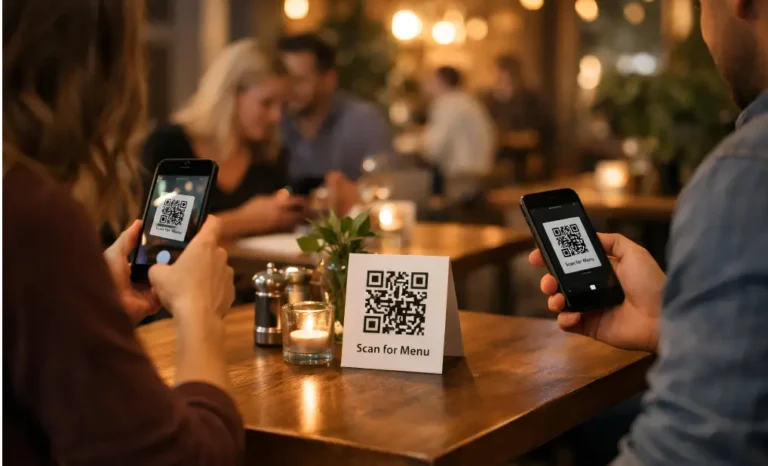
This is where dynamic QR codes change how restaurant menus work. Instead of relying on traditional paper menus, restaurant owners place a QR code on tables, table tents, or walls. Guests scan once and instantly access the digital version of the menu. When something needs to be updated, the restaurant changes the content behind the same QR code. No reprinting, no confusion, and no disruption to restaurant operations.
The everyday problem with printed menus in restaurants
Most restaurants still feel the friction of traditional paper menus. A price update means new prints. A sold out item means servers explaining it repeatedly. A new dish means waiting days to roll it out. Printing costs add up quickly, especially for many restaurants with frequent menu updates.
Printed menus also create inconsistencies. One table might have an outdated menu, another a newer version. Guests notice these discrepancies, which affects trust and the overall dining experience. From an operational efficiency perspective, physical menus slow things down and increase the risk of order accuracy issues.
What dynamic QR codes for restaurants menu actually change
Dynamic QR codes work differently from a simple QR code that points to a fixed destination. With a dynamic QR code generator, the restaurant creates one QR code that always stays the same, but the content behind it can be edited at any time.
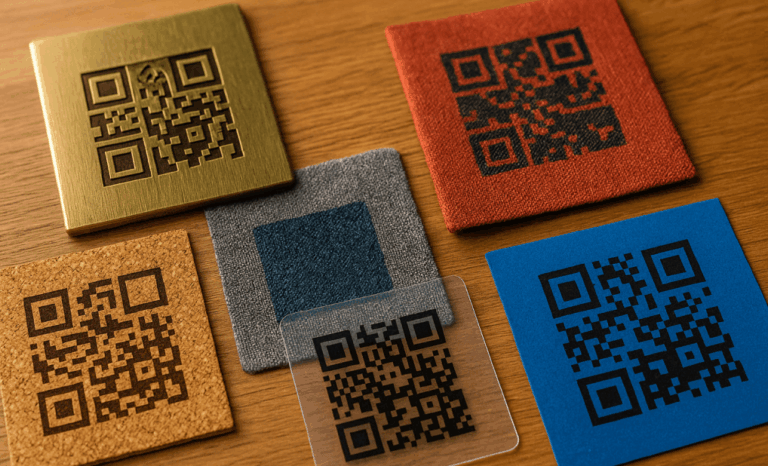
This means the same QR code printed on a table tent or sticker can link to an online menu that changes daily or even hourly. Menu items, prices, descriptions, and high quality photos can be updated instantly. Guests scan and always see the latest version, without realizing anything changed behind the scenes.
For restaurant operators, this flexibility becomes part of the entire system, not just a digital convenience.
A realistic use case: updating menus during service
Imagine a busy restaurant during dinner service. A dish sells out earlier than expected. With printed menus, staff must verbally warn every table, increasing the chance of mistakes.
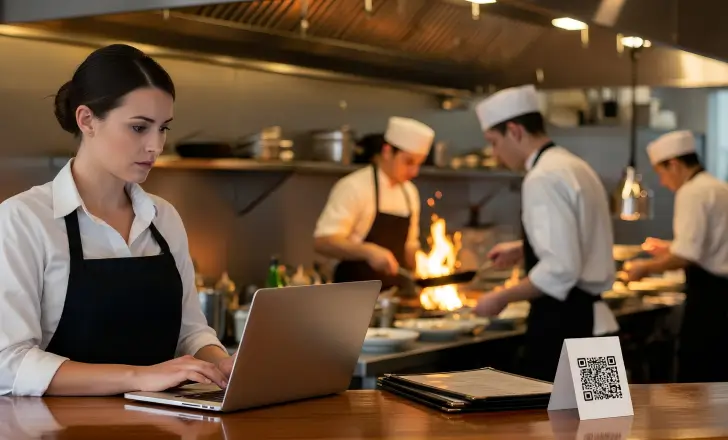
With dynamic menu QR codes for restaurants use, the manager opens the web app connected to the QR code menu and removes the sold out item. Within seconds, customers scan and see an updated menu. Guests scan, choose available menu options, and the ordering process stays smooth.
The same workflow applies to price changes, daily specials, or last minute additions. Restaurant owners maintain control without interrupting the dining room.
One QR code, many menu updates
A common misconception is that menu changes require different QR codes. In practice, one QR code is enough. Using one QR code linked to a dynamic digital menu means restaurants avoid placing different QR codes for every update.
This approach simplifies placement and design. The restaurant QR code can be printed once and reused indefinitely. Over time, this reduces printing costs and avoids visual clutter across tables and walls.
For some setups, restaurant operators may choose table specific QR codes. These unique QR codes include a table number, allowing the ordering system to identify where the order comes from. Even in this case, the menu itself can still be updated centrally.
QR code menus and real time order accuracy
Dynamic QR menus directly impact order accuracy. Guests scan the QR code, view detailed descriptions, visual cues, and sometimes allergen information. This reduces misunderstandings and special requests that kitchen staff must clarify later.
When integrated with a kitchen display system or POS system, updates to menu items flow through the entire system. If an ingredient runs out, the menu update prevents new orders instantly. Fewer mistakes lead to smoother restaurant operations and better guest experience.
Supporting multiple languages without reprinting
Many restaurants serve guests who speak different languages. Printed menus in multiple languages increase printing costs and clutter tables.
With dynamic QR codes for restaurants menu use, the digital version can offer multiple languages. Customers scan and select their preferred language, accessing the same menu items in a format that feels natural to them. This improves guest engagement without adding operational complexity.
From just digital menus to full guest engagement
QR menus started as contactless menus, but they quickly evolved into more than just digital menus. Restaurants now use QR codes to gather feedback, link to loyalty programs, and connect guests to social media pages.
After the meal, the same QR code can guide customers to a rewards program or a short feedback form. Because the QR code is dynamic, restaurants can change the destination depending on the time of day or campaign, all without replacing physical materials.

QR code ordering systems and payments
Some restaurants go beyond menu viewing and enable QR code ordering and digital payments. Guests scan, place orders, and process payments directly from their phone. This reduces table turnover time and speeds up the ordering process.
Dynamic QR codes support this flow because updates to menu items, availability, or pricing reflect instantly in the ordering system. The result is a more efficient dining experience, especially during peak hours.
Common mistakes restaurants make with QR menus
One common mistake is treating QR menus as static links. When restaurants use a simple QR code instead of a dynamic QR code, any change requires creating and reprinting a new code. This defeats the purpose and brings back printing costs.
Another mistake is overloading the digital menu. A clear online menu with good structure, visual hierarchy, and high quality photos works better than copying a crowded paper menu into a screen.
Why dynamic QR codes fit modern restaurant operations
The restaurant industry moves fast. Menu updates, inventory management, and guest expectations all change daily. Dynamic QR codes for restaurants menu workflows match this pace.
They reduce printing costs, minimize errors, support digital transformation, and give restaurant owners flexibility. Guests get instant access to accurate information, and restaurant operators gain control over the entire menu lifecycle.

Is using dynamic QR codes the future of restaurant menus?
As more restaurants look for operational efficiency and better guest experience, dynamic QR menus continue to replace traditional paper menus. The ability to update menus in real time, support multiple languages, and connect menus to ordering systems makes dynamic QR codes a natural fit for modern dining.
For restaurant owners asking how to update menus in real time using dynamic QR codes, the answer is simple: use one QR code, keep the content flexible, and let the menu evolve as fast as the kitchen does.