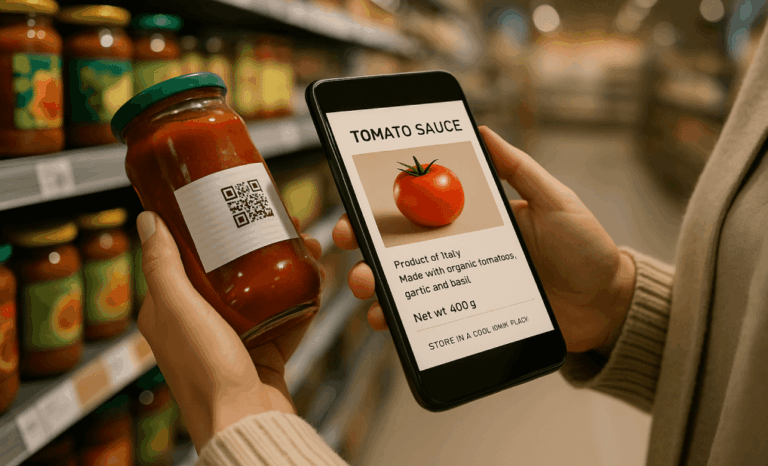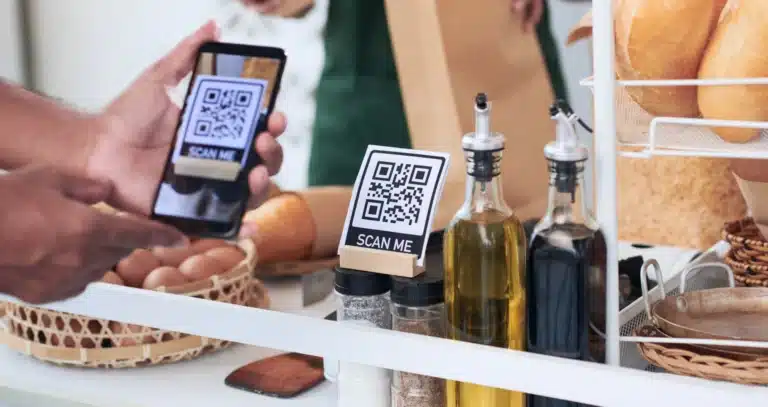
Understanding how dynamic QR codes work requires looking beyond the QR code itself. The real value of a dynamic QR code does not live in the black-and-white pattern, but in the infrastructure behind it and how that infrastructure behaves once the code is scanned, printed, shared, and reused over time.
In QRCodeKIT, dynamic QR codes are designed to stay editable, trackable, and adaptable long after they are created. This makes them fundamentally different from static QR codes and explains why they are widely used for marketing cam
paigns, product information, digital menus, digital business cards, and other evolving use cases.
This article explains, in practical terms, how dynamic QR codes work inside QRCodeKIT, what happens during a scan, and why this approach changes how businesses use QR codes in real-world scenarios.
The core concept behind dynamic QR codes
A dynamic QR code does not encode the final destination directly inside the QR code pattern.
Instead, dynamic QR codes rely on an intermediary redirection service. The QR code stores a short, redirectable URL that acts as a permanent entry point. When someone scans the QR code, that short URL is resolved first, and only then is the user redirected to the final destination.
This design choice is what makes dynamic QR codes editable. Because the QR code itself always points to the same short URL, the content behind it can be changed at any time without generating a new code.
Static QR codes work differently. They embed the destination URL directly in the QR code data pattern. Once created, the destination is fixed and cannot be modified. If the content changes, a new QR code must be created and redistributed.
What happens when someone scans a dynamic QR code
From the user’s perspective, scanning a dynamic QR code feels identical to scanning a standard QR code.
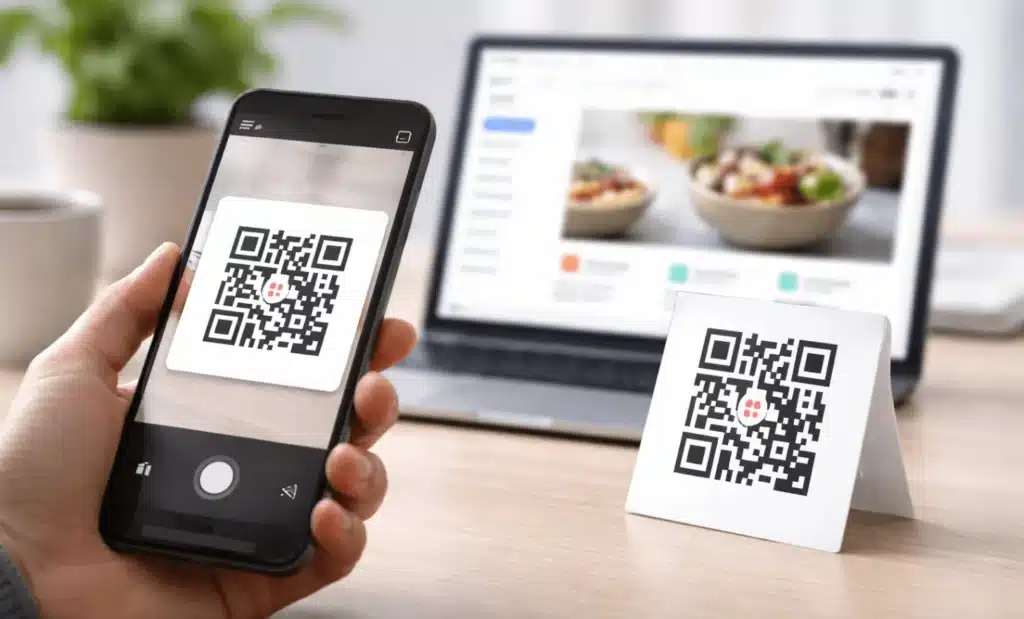
The camera app reads the QR code pattern, opens the embedded short URL, and redirects the user to the final destination. This process happens almost instantly and does not require any special app or behavior.
Behind the scenes, however, the scan passes through the dynamic QR code service. This allows the platform to record scan data before forwarding the user. Information such as the number of scans, scan location, device type, and time of scan can be captured during this step.
This intermediary layer is also what enables advanced features such as scan tracking, conditional redirection, and integration with analytics tools.
Why dynamic QR codes scan faster and more reliably
Dynamic QR codes often scan faster than static QR codes.
Because dynamic QR codes use a short URL, the amount of data encoded in the QR code is smaller. This results in a less dense data pattern, which makes the QR code easier for camera apps to read, especially in suboptimal conditions like low light, curved surfaces, or imperfect printing.
Lower density also improves error correction reliability, increasing the chances that people scan the QR code successfully on the first attempt.
Creating a dynamic QR code in QRCodeKIT
To create a dynamic QR code, you need to access a QR code generator platform that supports dynamic functionality.
QRCodeKIT was one of the pioneers of this approach, launching the first dynamic QR code to make QR codes editable and trackable after creation. That original idea is still the foundation of how dynamic QR codes work today.
In QRCodeKIT, the process starts by selecting the type of dynamic QR code that aligns with your objective. This could be a website URL, a landing page, a digital menu, a digital business card, a file download, or a digital form.
Once the QR code type is selected, you define the initial destination or content. QRCodeKIT then generates a single QR code linked to a unique short URL. This QR code becomes the permanent access point that you can download, share, and print.
At this stage, the QR code is already dynamic, even though from the outside it behaves like a normal QR code.
Choosing the right QR code type for your goal
Selecting the correct dynamic QR code type matters because it determines how users interact with the content after scanning.
A website QR code typically directs users to an existing website URL. A landing page QR code allows you to create a custom page optimized for mobile scanning. A digital menu QR code is structured for food and beverage content, while a digital business card QR code focuses on contact details and sharing.
Although these QR code types serve different purposes, they all rely on the same underlying mechanism: a short URL that can be redirected, updated, or replaced without changing the QR code itself.
Customizing the appearance of a dynamic QR code
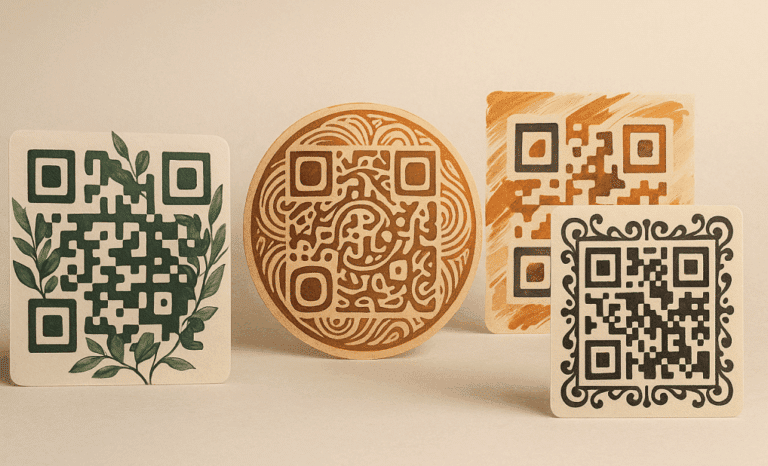
Dynamic QR codes can be customized visually without affecting their functionality.
You can modify colors, shapes, and QR patterns to better align with your brand identity. Customizing your dynamic QR code helps build trust, credibility, and brand recall, especially when QR codes are used in public or customer-facing environments.
Unique designs also attract attention and can increase scan rates. A visually integrated QR code is more likely to be noticed and scanned than a generic one placed without context.
Customization does not lock the QR code. Even after design changes and printing, the QR code remains fully editable at the destination level.
Using the same QR code over time
One of the defining advantages of dynamic QR codes is that the same QR code can be reused indefinitely.
A single QR code can support multiple campaigns or phases. For example, a QR code printed on packaging might first point to a product launch page, later redirect to updated product information, and eventually link to a feedback form or support page.
The QR code remains the same throughout, while the linked content evolves. This approach avoids the need to generate a new QR code every time content changes.
Editing content without reprinting QR codes
Dynamic QR codes are editable by design.
Inside QRCodeKIT, you can change the destination URL, update linked content, or replace an entire experience without touching the QR code itself. This is especially valuable once QR codes are printed on packaging, posters, menus, or business cards.
Using a dynamic QR code can significantly reduce costs associated with reprinting materials. Instead of replacing physical assets, you simply update the digital destination.
Testing a dynamic QR code before deployment
Testing your dynamic QR code before deployment is essential.
Before printing or sharing the QR code, it should be scanned across different devices and camera apps to confirm that it redirects to the correct content. Testing also helps verify loading speed, mobile responsiveness, and overall user experience.
Because dynamic QR codes can be edited later, testing does not slow down workflows. It simply reduces the risk of launching with incorrect or incomplete destinations.
Tracking scans and user behavior
Dynamic QR codes enable detailed scan analytics.
Each scan can be recorded with information such as the number of scans, scan location, device type, and time of scan. This allows teams to understand how QR codes perform across locations and contexts.
Dynamic QR codes can also be integrated with tools like Google Analytics. This enables deeper insights into user behavior after the scan, such as page engagement, conversions, or drop-off points.
Static QR codes do not support this level of tracking, as scans bypass any analytics layer and go directly to the destination.

Using dynamic QR codes for analytics-driven decisions
Because dynamic QR codes generate real-time scan data, they support data-driven optimization.
Marketers can analyze performance across different placements, campaigns, or time periods. Dynamic QR codes also allow content rotation or A/B testing of landing pages without changing the physical QR code.
This flexibility makes dynamic QR codes particularly useful for ongoing marketing efforts where performance insights matter.
Bulk generation for large-scale use cases
Dynamic QR codes can be generated in bulk.
Bulk generation allows teams to create hundreds or thousands of dynamic QR codes at once, each with its own editable destination and tracking data. This is ideal for large campaigns, product lines, multi-location businesses, or serialized assets.
Even when generated in bulk, each QR code remains individually manageable and editable.
Conditional redirection and adaptive experiences
Dynamic QR codes can support conditional redirection.
This means the content shown after a scan can change based on factors such as time of day, scan location, or device type. For example, users scanning the same QR code in different regions may see localized content, or time-sensitive promotions can rotate automatically.
This capability allows businesses to deliver more relevant experiences without modifying printed QR codes.
Security and access control options
Dynamic QR codes can include security features.
Access controls such as password protection or restricted visibility help manage who can view or interact with linked content. This is useful for internal documents, private events, or controlled access scenarios.
These features are not possible with static QR codes, which always expose the embedded destination.
Why branded short domains matter
Dynamic QR codes rely on short URLs, and the domain used for those URLs matters.
By 2026, many brands prioritize branded short domains over generic ones to build trust before the scan. A recognizable domain reassures users and increases confidence when scanning a QR code in public spaces.
This trust factor plays an important role in scan behavior, especially in environments where users are cautious about unknown links.
Placement and visibility considerations
Where a QR code is placed affects how often it is scanned.
Placing the QR code in a prominent, logical position improves scanning rates. Clear context and visual hierarchy help users understand why they should scan and what they will get in return.
Dynamic QR codes benefit from thoughtful placement because the same QR code may remain in use for long periods.
Why dynamic QR codes are used across industries
Dynamic QR codes are used in a wide range of industries, including retail, healthcare, hospitality, and marketing.
Their flexibility allows businesses to manage ongoing campaigns, update information in real time, and connect physical assets to digital experiences without constant reprinting.
This adaptability is why dynamic QR codes are increasingly treated as the standard approach for professional QR code deployments.
Turning physical assets into digital touchpoints
Dynamic QR codes are often used to transform static physical assets into interactive digital entry points.
Printed materials, packaging, signage, and menus become gateways to live content that can be updated, tracked, and optimized over time. This bridges the gap between physical and digital experiences.

When a dynamic QR code makes sense
Dynamic QR codes are especially useful when content may change, tracking is important, or campaigns evolve over time.
They allow businesses to maintain control after printing, adapt to new requirements, and gain visibility into how people interact with QR codes in real conditions.
Understanding how dynamic QR codes work helps set realistic expectations and choose the right QR code approach for long-term use.
If you want to go deeper, exploring dynamic QR codes inside QRCodeKIT is often the most direct way to see how editing, tracking, and redirection behave in practice.