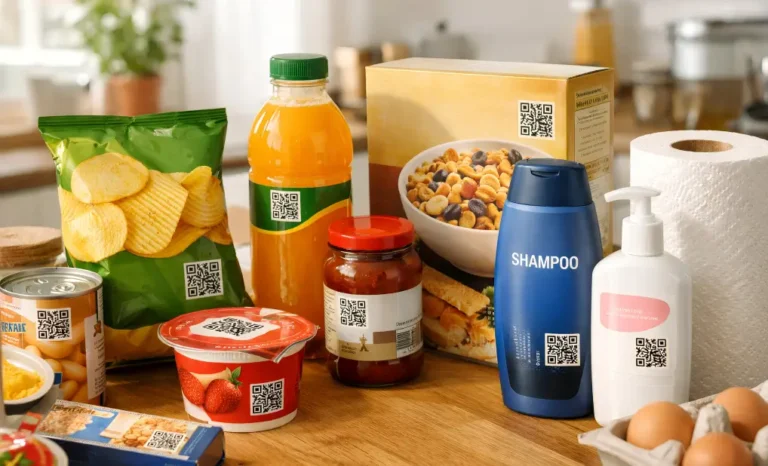
Smart packaging QR codes are quickly becoming the bridge between physical and digital worlds. As consumers expect instant access to information, brands are turning everyday product packaging into a digital experience powered by a quick scan. In 2026, smart packaging technology will no longer feel experimental. It will be a game changer for how brands interact with consumers, collect first party data, and future proof their packaging solutions.
What are smart packaging QR codes and why do they matter?
Smart packaging QR codes are QR codes printed on product packaging that connect a physical product to digital content. Unlike traditional barcodes that only support product identification at checkout, these codes unlock interactive media, digital manuals, how to guides, video tutorials, and landing pages tailored to the target audience. Smart packaging transforms static surfaces into connected packaging that evolves over time.
By using dynamic QR codes instead of static QR codes, brands can update campaigns, change destinations, and adapt messaging without reprinting packaging. This flexibility is essential in a retail industry that moves fast and expects packaging to keep up.
How does smart packaging technology connect physical and digital worlds?
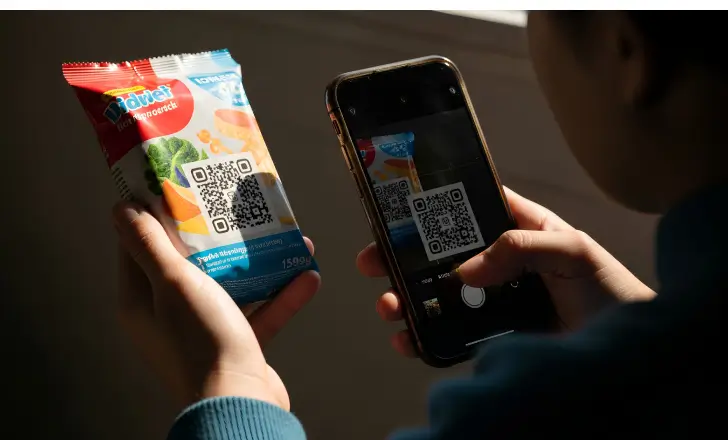
Smart packaging technology works through the smartphone camera, making access effortless for consumers. A quick scan brings the physical product into the digital world, where brands can offer further information, promotional offers, or augmented reality experiences. This connection allows brands to extend the customer journey well beyond the shelf.
For example, a cereal box can link to recycling instructions, sustainability information, or a loyalty program that rewards the next purchase. The package becomes a digital touchpoint that lives with the consumer long after checkout.
Why are dynamic QR codes essential for connected packaging?
Dynamic QR codes are the foundation of intelligent packaging. They allow brands to use unique QR codes across product lines, regions, or campaigns while keeping control over the digital content behind them. If regulations change, a product label needs updating, or safety information must be added, brands can do it instantly.
Static QR codes lock information in place, limiting long term value. In contrast, dynamic QR codes support continuous improvement, real time optimization, and consumer data collection that helps brands refine packaging design and user engagement strategies.
How do smart packaging QR codes improve consumer engagement?
Consumer engagement improves when packaging becomes interactive instead of passive. Smart packaging QR codes invite consumer interaction by offering instant access to relevant content. This can include digital content such as recipes, augmented reality experiences, or personalized promotional offers.
When brands interact with consumers through packaging, they create a two way relationship. Engagement moves from a one time purchase to an ongoing conversation that builds brand loyalty and drives repeat sales.
Can smart packaging QR codes support loyalty programs and brand loyalty?
Yes, loyalty programs are one of the strongest use cases for smart packaging QR codes. By integrating QR codes into packaging, brands can allow customers to join loyalty programs, unlock rewards, or access exclusive content with a single scan.
Because dynamic QR codes collect first party data, brands gain insight into consumer behavior without relying on third party platforms. This data helps refine customer engagement strategies while strengthening brand loyalty over time.
How do smart packaging QR codes improve sustainability and reduce food waste?
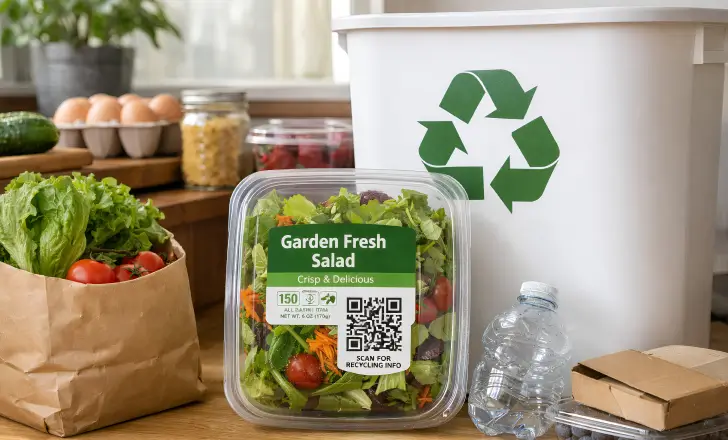
Smart packaging QR codes play an important role in sustainability credentials. By replacing printed leaflets with digital manuals and guides, brands reduce paper use while offering richer information. QR code packaging can also provide clear recycling instructions and sustainability information, helping consumers dispose of products correctly.
In food packaging, smart packaging helps reduce food waste by sharing storage tips, expiration guidance, and recipes tailored to what consumers already have at home. This approach turns packaging into an active packaging solution rather than a disposable surface.
What role do smart packaging QR codes play in regulatory compliance?
Regulatory compliance is becoming more complex, especially in food labels, personal care, and everyday products. Smart packaging QR codes allow brands to provide safety information, verify authenticity, and deliver compliance updates digitally.
Instead of overcrowding a product label, brands can use QR codes to give instant access to detailed documentation. This makes packaging more accessible while ensuring compliance information is always up to date.
How do smart packaging QR codes compare to NFC tags and near field communication?
NFC tags and near field communication are often mentioned alongside smart packaging QR codes. While NFC tags offer tap based interaction, QR codes remain more accessible because they work on any smartphone camera without additional hardware.
Using QR codes also scales more easily across packaging solutions. Brands can deploy QR code packaging globally without worrying about device compatibility, making it a more practical choice for widespread consumer interaction.
How are brands already using smart packaging QR codes?
Many brands have already shown how smart packaging transforms consumer experience. Coca-Cola has experimented with connected packaging that links products to digital campaigns, interactive content, and promotional offers. These initiatives show how QR codes can drive engagement while collecting valuable consumer data.
Across the retail industry, brands are using QR codes on packaging to verify authenticity, offer digital experiences, and create a seamless bridge between physical and digital touchpoints.
What will smart packaging QR codes look like in 2026?
By 2026, smart packaging QR codes will feel natural and expected. Consumers will scan without hesitation, knowing they will receive useful information or meaningful interaction. Packaging design will treat QR codes as a core element rather than an afterthought.
We will see more accessible QR codes, deeper integration with augmented reality, and smarter use of consumer data to personalize experiences. Smart packaging technology will continue to blur the line between product and platform.

Are smart packaging QR codes the future proof solution brands need?
Smart packaging QR codes offer endless possibilities for brands looking to stay relevant. They support updating campaigns, extending the customer journey, and connecting products to digital experiences that evolve over time.
As connected packaging becomes standard, brands that invest early will be better positioned to drive sales, build loyalty, and create meaningful consumer engagement. Smart packaging QR codes are not just a trend. They are shaping how products communicate in a connected world.