How to scale from one QR code without starting over
If you are thinking about how to scale from one QR code, you are probably facing a familiar situation.
You created a QR code for a campaign. It worked. People scan it with their smartphone camera, access your destination URL, and engage with your content. Then the campaign ends. The printed materials are still out there. The product packaging is still in stores. The digital signage is still active.
Now you need the same QR code to do something else.
Scaling from one QR code is not about generating more codes. It is about turning a single scannable QR code into a flexible system that can support multiple use cases over time.
Why one QR code rarely stays “one”
Most businesses do not run a single campaign forever.
You might begin with one QR code that links to a marketing landing page. Later, you want it to support warranty registration. After that, maybe customer service. Then a loyalty program. Or a seasonal promotion.
If you use static QR codes, each change requires a new code. A static QR embeds the final URL directly inside the code. If the website URL changes, you must generate a new static code and replace it across all marketing materials.
This is where scaling becomes expensive and messy.
When businesses talk about how to scale from one QR code to multiple use cases, what they really need is flexibility at the destination level.
Static codes vs dynamic codes: the key difference
Understanding the difference between static QR codes and dynamic QR codes is the turning point.
A static QR code stores the final url directly in the pattern. It cannot be edited. If you need a new link, you create a new code. Static codes are simple, but they are fixed.
Dynamic QR codes work differently. Instead of storing the final destination url, they store a short url that redirects to the final url. That redirect can be changed at any time without altering the physical code.
This single difference unlocks scalability.
With dynamic codes, you can change the destination content after the QR code has already been printed, distributed, or embedded in product packaging. You can also track scans and access detailed scan analytics, including scan time, device type, and scan location.
If your goal is long-term growth, you should create dynamic QR codes from the beginning.
How one dynamic QR code can evolve over time
Let’s walk through a practical example.
Imagine you generate a QR code for a new product launch. The code leads to a campaign landing page. It is printed on packaging and used in digital signage.
Three months later, the launch period ends.
Instead of creating a new QR code, you update the editable destination inside your QR code generator. Now the same code leads to a warranty registration page. Later, you change it again to point to customer support or a product tutorial.
From the outside, people scan the same code. Behind the scenes, the destination changes.
This is how to scale from one QR code to multiple use cases without multiplying your operational workload.
The same code can support marketing campaigns, event management signups, digital business card sharing, printing menus for hospitality, or even app deep linking based on operating system.
Using a central landing page to expand one code
Scaling does not always mean redirecting to a single new page. Sometimes it means offering multiple content types from one scan.
Instead of linking directly to a single website url, you can link your QR code to a central landing page that acts as a hub.
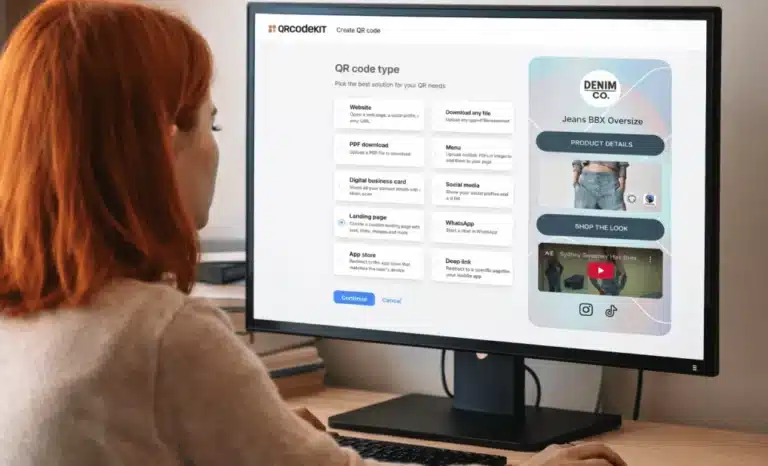
For example, when users scan a QR code, they land on a mobile friendly page with options such as view menu, leave review, connect on socials, or order online.
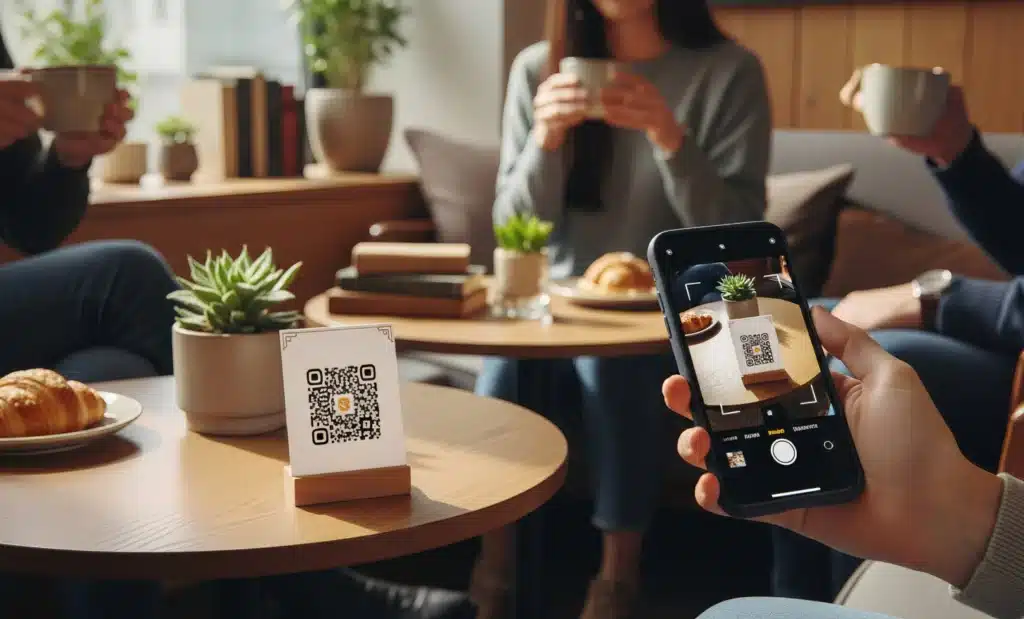
This approach works well in restaurants printing menus, retail stores, product packaging, and events. One QR code becomes a gateway to several actions at the same level, improving customer engagement without requiring multiple QR codes.
A central hub also makes it easier to update content and manage campaigns from a single dashboard.
Smart routing rules that multiply use cases
Modern dynamic QR code generators include advanced features that allow smart routing.
You can set rules so that the same code sends users to different destinations depending on conditions like device type, scan location, language, or time of day.
For example, iOS users can be redirected to the App Store while Android users are sent to Google Play. Users in different countries can see localized pages. This type of target based redirection or location based redirection allows a single code to behave differently across regions and devices.
From a visual design perspective, it is one code. From a functional perspective, it supports different campaigns simultaneously.
For brands operating in multiple markets, this capability is a game changer.
Tracking and optimization as you scale
Scaling from one QR code is not just about flexibility. It is also about data.
Dynamic QR codes provide tracking. You can track scans over time, analyze device type, understand scan location, and measure scan time.
This data reveals how people scan, which marketing materials drive more engagement, and which destination content performs best.
Without tracking, you are guessing. With tracking, you can refine QR code design, adjust call to action placement, and optimize your campaigns based on real behavior.
Detailed scan analytics also help you identify trends across different devices and environments, making your QR workflows more intelligent over time.
Managing multiple QR codes from a single dashboard
As you grow, one QR code often becomes multiple QR codes across different products, campaigns, and departments.
Scaling responsibly means using an online tool that offers centralized management.
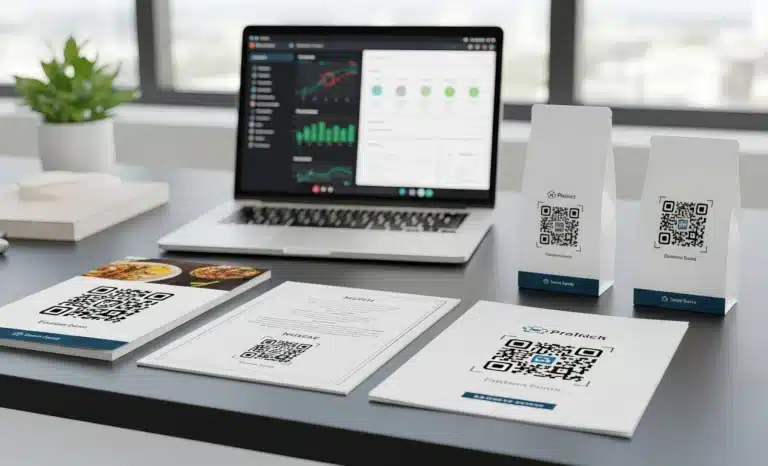
From a single dashboard, you should be able to create QR codes, edit destination urls, organize codes by campaign, and track scans across all projects.
For larger deployments, API based generation allows businesses to automatically generate multiple qr codes at scale. This is especially useful for product packaging or distributed marketing campaigns where consistency and tracking matter.
The key is not just to generate codes, but to manage them in a structured way.
Design fundamentals still determine success
No matter how advanced your dynamic system is, people must be able to successfully scan the code.
Good visual design matters. Maintain strong contrast between the background and the dot pattern. Avoid blurry images. Respect minimum size recommendations depending on scanning distance. Leave proper margins around the code.
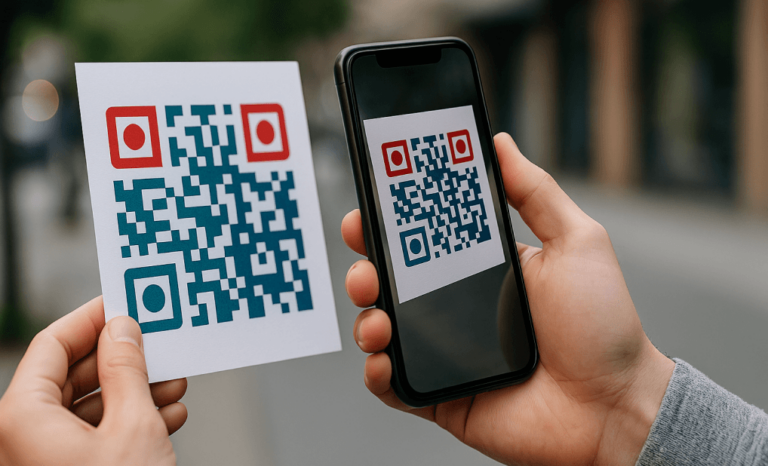
Test your QR codes across different devices and qr code readers before printing at scale. Make sure they scan easily with a smartphone camera.
A scalable strategy fails if the basic scannability is ignored.
A common mistake when trying to scale
A frequent mistake is starting with static qr for cost reasons and only later realizing that flexibility is required.
Once static codes are printed on product packaging or marketing materials, changing the link requires replacing everything. At that point, scaling becomes expensive.
Another mistake is linking directly to a complex website url instead of a controlled landing page. This limits your ability to adapt content as campaigns evolve.
If scaling is even a possibility, starting with dynamic qr codes gives you room to grow.
How QRCodeKIT supports scalable workflows
Platforms built around dynamic qr code generators are designed for this kind of evolution.
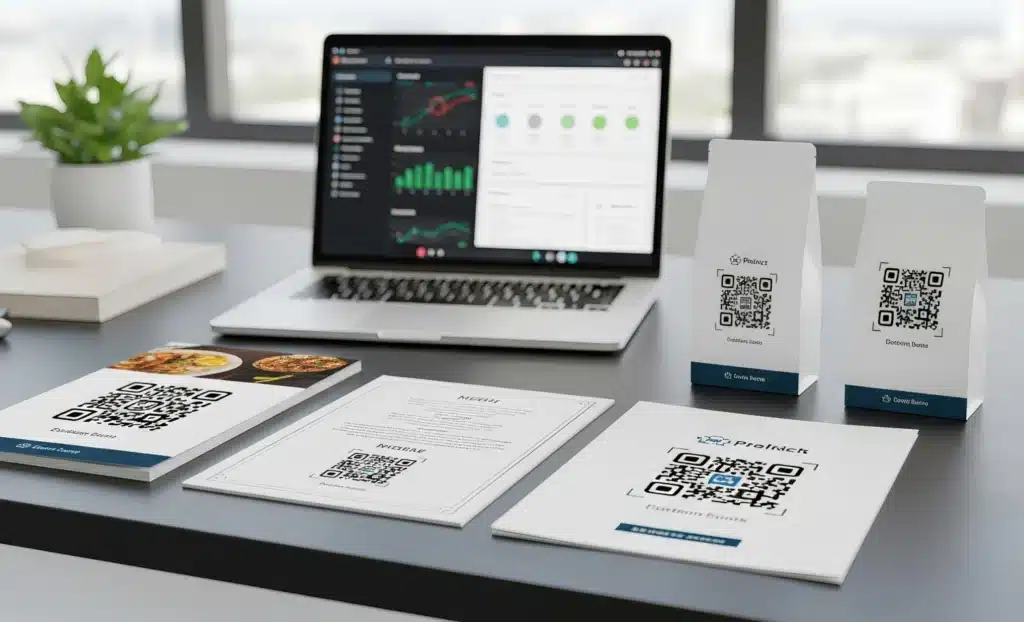
QRCodeKIT allows users to create dynamic qr codes, edit destinations, and access detailed scan analytics from a single dashboard. It supports branding customization with logos and brand colors, helping graphic designers maintain visual consistency across campaigns.
By centralizing management and offering tracking, QRCodeKIT makes it easier to scale from one QR code to multiple use cases without reprinting materials or losing data.
You can begin with one code and gradually expand its purpose as your marketing campaigns, product packaging strategies, and customer engagement initiatives evolve.
Final thoughts
If you are exploring how to scale from one QR code to multiple use cases, think beyond the initial link.
A QR code can start as a simple quick response tool. Over time, with dynamic technology, it can become a flexible bridge between offline and online experiences, supporting different campaigns, tracking engagement, and adapting to new needs.
The difference between a one time code and a scalable system is not in the design alone. It is in how you create, manage, and update the destination behind it.
Building once and evolving continuously is what truly allows one QR code to grow with your business.