Healthcare runs on information. The right detail, at the right moment, reaching the right person. When that flow breaks down, care suffers. Waiting rooms fill up. Staff answer the same questions on repeat. Patients leave appointments without understanding what comes next.
AI QR codes for healthcare are one of the quieter shifts happening in clinical and administrative environments right now. Not a disruption. A correction. A way to close the gap between what patients need to know and what staff have time to explain.
What the front desk actually costs
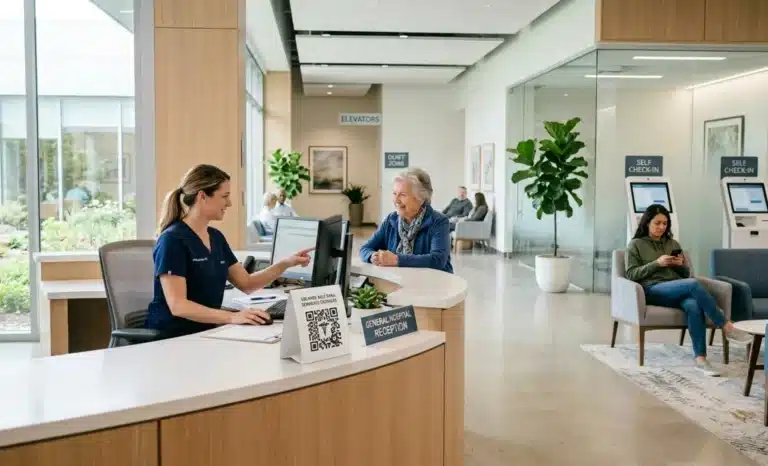
The front desk of any healthcare facility is a bottleneck by design. Every patient passes through it. Every question, every form, every appointment change flows through a small number of people handling tasks that often have nothing to do with clinical judgment.
That load adds up. Check-in queues, insurance verification, appointment reminders, post-visit instructions, prescription questions. Around 72% of healthcare organizations are already using or planning to use QR codes to address parts of this problem. The interest is there. The question is whether the implementation actually reduces friction or just moves it somewhere else.
A static QR code that links to a generic PDF does not solve much. It redirects the question without answering it. What changes the picture is when the code can actually respond.
How AI QR codes work differently in healthcare settings
A standard QR code is a pointer. It takes someone from a physical location to a digital one. That’s useful, but limited.
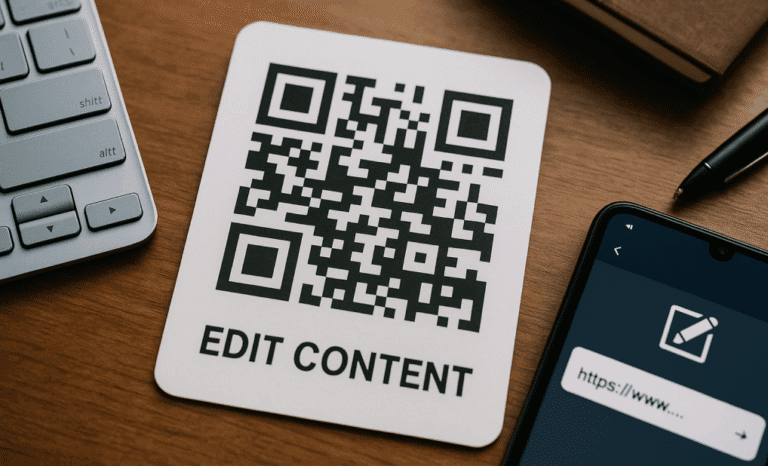
An AI QR code, as implemented through platforms like QRCodeKIT, adds a conversational layer directly into that experience. When someone scans the code, they land on a page that includes an AI assistant ready to answer questions based on the content the healthcare organization has configured. No app to download. No login required. The conversation happens in the browser, immediately, from wherever the patient is standing.
The content behind the assistant is dynamic. It can be updated at any time without reprinting anything. A change to visiting hours, an update to post-surgical instructions, a new intake process — all of it goes live in every future conversation the moment it is edited.
This distinction matters in healthcare more than in most industries. Information changes. Protocols evolve. A dynamic system reflects reality. A printed brochure does not.
Patient check-in and waiting room pressure
One of the most direct applications is arrival and check-in. A patient scans a QR code in the waiting room and is immediately guided through the check-in process without waiting for a staff member to become available. Questions about what to bring, how to complete forms, where to go — answered on the spot.
This does not replace the human elements of reception. It removes the low-value repetition that prevents reception staff from focusing on situations that actually need their attention.
The same logic applies to post-visit communication. After an appointment, patients often have questions they did not think to ask in the room. A QR code on the discharge paperwork or prescription label can connect them to clear, specific information about their aftercare steps, dosage instructions, and what symptoms warrant a follow-up call. That information is available at 2am when the office is closed. Staff are not.
Wristbands, equipment, and point-of-care access
Beyond patient-facing communication, QR codes are being used inside care facilities to improve how clinical staff access information at the point of care.
Patient wristbands with QR codes allow providers to pull up medical history, allergy information, and current medications with a quick scan. In emergency situations, or when a patient is being transferred between departments, that instant access reduces the risk of errors that stem from missing or misread records.
Medical equipment presents a similar opportunity. Every IV pump, imaging machine, and specialized device in a hospital requires maintenance, calibration, and operating procedures. QR codes placed on equipment give technicians and clinical staff immediate access to manuals, maintenance logs, and usage instructions without hunting through filing systems or calling a service desk. Some facilities are using AI-enhanced tracking to monitor equipment location and maintenance schedules in real time.

What AI adds to the QR layer
The difference between a QR code that links to information and one powered by AI is the difference between a filing cabinet and a colleague.
A filing cabinet holds the information. A colleague can find what is relevant, contextualize it, and answer a follow-up question. That is what the conversational layer does. A patient scanning a code about their prescription does not need to scroll through a full drug information sheet. They need to know whether it is safe to take with the medication they are already on, or whether the nausea they experienced last night is expected. Cleo, QRCodeKIT’s AI assistant embedded in the QR experience, is built to handle exactly that kind of specific, contextual exchange.
The same applies to pre-appointment communication. A patient preparing for a procedure can scan a code and ask specific questions about preparation, fasting requirements, or what to expect. The AI draws on the content the provider has configured. It responds in the patient’s language. It is available any time they think to ask.
Education, engagement, and adherence
Patient education is one of the most underdeveloped areas in healthcare communication. Clinical staff rarely have time to walk patients through detailed explanations of their conditions, treatment options, or lifestyle adjustments. Printed materials get lost. Generic websites are imprecise.
QR codes linked to structured educational content, with an AI layer to answer follow-up questions, change that dynamic. A cardiologist’s office can place a code in the exam room that links to condition-specific videos, dietary guidance, and medication explanations. A patient watching their care shift toward prevention has immediate access to the education that supports it.
There is evidence that this kind of engagement matters for adherence. Patients who understand their treatment are more likely to follow it. Tools that lower the barrier to understanding have clinical value, not just operational value.
Telehealth scheduling and appointment flow
Telehealth expanded the operational surface of healthcare dramatically. Scheduling, joining a session, troubleshooting a connection — all of it creates new points of friction and new demands on administrative staff.
QR codes simplify this considerably. A code on a reminder card, a discharge summary, or a text message links directly to a booking page or a telehealth session. Patients can scan, schedule, and join visits without navigating login screens or calling a scheduling line. The process takes less time for the patient and removes another queue from the administrative side.
Compliance and data security considerations
Healthcare QR codes that involve any form of patient health information must be implemented with compliance in mind. HIPAA governs how protected health information is handled in the United States, and using a non-compliant platform for patient intake forms or any PHI-related application creates real legal exposure.
This is not a detail to be addressed after deployment. It is a threshold condition. Any platform handling PHI requires a Business Associate Agreement. Access controls including Single Sign-On and Multi-Factor Authentication are necessary for systems that contain patient-linked data. Healthcare organizations should verify compliance before implementation, not after.
The good news is that QR codes used for general patient communication, educational content, equipment manuals, and non-PHI workflows do not trigger the same compliance requirements. There is significant room to reduce administrative burden without ever touching protected information.
What does a realistic implementation look like?
Most healthcare organizations do not need to deploy AI QR codes across every touchpoint at once. The highest-return starting points tend to be the highest-friction ones: check-in, post-visit instructions, and frequently asked questions that staff answer on repeat.
A practice seeing fifty patients a day and fielding ten calls about the same prescription question can redirect a meaningful portion of that volume with a single well-configured code. The information is already known. The AI layer makes it accessible at the moment the patient needs it, without requiring staff involvement.
Platforms like QRCodeKIT allow the content behind the code to be updated at any time, which means the system stays current as protocols change. The physical code on the sign or the brochure stays in place. What it delivers evolves.

Is the technology ready for clinical environments?
The honest answer is that it depends on what you are asking it to do. AI QR codes are well-suited to communication, education, scheduling, administrative access, and general patient support. They are not a replacement for clinical decision-making.
The distinction matters. A tool that helps a patient understand their post-operative instructions is different from one advising on diagnosis or treatment. The former is appropriate, scalable, and genuinely useful. The latter is outside what any current QR-based AI implementation should be used for.
Healthcare organizations that approach this technology with that clarity tend to find the implementation straightforward and the impact measurable.
What should healthcare organizations consider before deploying AI QR codes?
Three questions are worth addressing before deployment.
First, what is the actual problem? The clearest wins come from identifying specific friction points rather than deploying QR codes broadly. Start with the questions patients ask most and the administrative tasks that consume the most staff time.
Second, is the content structured and accurate? An AI assistant is only as reliable as what it is trained on. Vague or outdated information produces vague or outdated answers. The investment in clear, accurate content configuration is what makes the experience trustworthy.
Third, does the implementation stay within compliance boundaries? For anything touching patient health information, the platform must meet the applicable regulatory requirements. For general communication and education, the threshold is lower, but the principle of knowing exactly what data flows through the system still applies.
Healthcare organizations that answer these questions thoughtfully tend to move faster and with greater confidence once they begin.
All images and visual content in this article were created using RealityMAX.