Valentine’s Day is one of the most emotionally charged moments in the retail calendar. It is not just about traditional gifts or last minute purchases. It is about helping people express affection, celebrate relationships of all kinds, and feel understood at a personal level. That emotional context is exactly why how brands combine QR codes and WhatsApp has become increasingly relevant in Valentine’s Day marketing.
Instead of pushing shoppers through static pages or generic promotions, brands are using QR codes to open direct WhatsApp conversations. These conversations allow brands to guide, reassure, and personalize interactions in real time. The result is a more human experience that fits naturally into how people already communicate.
This article explains how brands use QR codes and WhatsApp together during Valentine’s Day campaigns, why this combination works, and how it supports customer engagement, loyalty, and long term value without replacing existing marketing channels.
Why Valentine’s Day requires a different marketing approach
Valentine’s Day shopping behaves differently from other seasonal moments. Many shoppers delay decisions until the last minute. Others feel overwhelmed by choice, unsure about the perfect gift, or concerned about whether something will arrive on time. At the same time, brands face rising marketing spend across paid ads, SMS marketing, and traditional marketing channels.
Because Valentine’s Day is about meaning, relevance matters more than reach. A message that feels personal can outperform multiple generic impressions. QR codes help by creating a physical and digital bridge, while WhatsApp provides a space where brands can respond with context and empathy.
This combination allows brands to meet customers exactly where intent is highest, whether that moment happens in store, at home, or while browsing online.
How QR codes lead customers into WhatsApp conversations
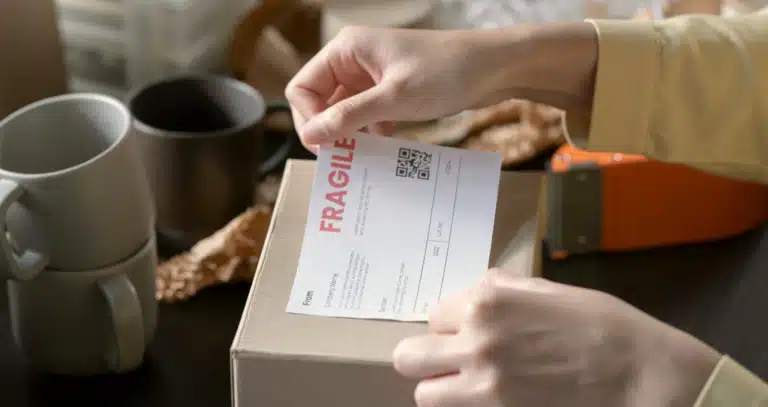
From a user perspective, the experience is simple. A customer scans a QR code placed on packaging, a printed gift guide, a greeting card, or an in store display. Instead of landing on a generic page, the scan opens a WhatsApp chat with the brand.
That chat can be configured in several ways. Some brands start with an automated greeting that offers quick reply options. Others route users directly to a support or sales team during peak Valentine’s campaigns. In both cases, the QR code acts as the entry point and WhatsApp becomes the interaction layer.
This approach works because it removes friction. There is no form to fill out and no account to create. Customers engage on their terms, using a channel they already trust and use daily.
Personalization at scale without losing the human touch
One of the strongest reasons brands combine QR codes and WhatsApp for Valentine’s Day is personalization. Valentine’s Day audiences are diverse. Some shoppers are buying for partners. Others are celebrating self love, Galentine’s Day, or friend groups. Many are looking for experience gifts rather than physical products.
A WhatsApp conversation allows brands to ask simple questions and adapt responses accordingly. Based on customer preferences, relationship status, or purchase history, brands can recommend relevant products, digital gift cards, or curated gift guides. Messages feel tailored rather than broadcast.
Because WhatsApp supports images, videos, and voice notes, brands can showcase products in context. A florist might show flower deliveries. A retailer might share a short video of wine glasses set for a date night. These rich interactions help customers feel confident about their choices.
Helping last minute shoppers without increasing pressure
Last minute shoppers are a defining part of Valentine’s Day. They are also some of the hardest customers to convert through paid ads or email campaigns alone. Timing is critical, and patience is limited.
QR codes linked to WhatsApp offer immediate assistance. A scan can trigger instant access to exclusive flash sales, availability confirmations, or personalized recommendations. This reduces hesitation and encourages quick decisions without aggressive calls to action.
Electronics brands such as Panasonic have used QR codes to connect customers with WhatsApp support around the clock. This type of assistance can influence purchase decisions even when stores are closed, improving customer satisfaction while keeping operational costs under control.

Turning gifts into ongoing brand relationships
Many Valentine’s Day campaigns focus only on the transaction. Brands that combine QR codes and WhatsApp effectively think beyond the moment of purchase.
When a customer scans a QR code to open a WhatsApp chat, they are opting into a direct communication channel. Brands can follow up with product care instructions, reminders, or personalized messages that extend the experience. Some brands include QR codes on gift packaging that open customized WhatsApp messages, creating an emotional moment that traditional greeting cards cannot replicate.
Others use the channel to gather valuable feedback or encourage user generated content. These interactions increase brand visibility and keep customers engaged long after Valentine’s Day ends.
Loyalty and repeat purchases driven by relevance
Valentine’s Day can be a powerful entry point for building customer loyalty. By segmenting users and leveraging customer data responsibly, brands can continue the conversation with relevant messages instead of generic promotions.
WhatsApp makes it easier to offer early access, loyalty points, or exclusive deals tied to future campaigns. This encourages repeat purchases and helps brands convert seasonal shoppers into loyal customers. Over time, this approach contributes to lower customer acquisition costs and stronger customer retention.
Because the channel is conversational, brands can also re engage dormant customers with messages that feel helpful rather than intrusive.
How QRCodeKIT supports QR to WhatsApp campaigns
Inside QRCodeKIT, brands can create dynamic QR codes that point directly to WhatsApp chats. The advantage of a dynamic setup is flexibility. Brands can update messages, adjust flows, or shift Valentine’s promotions without changing the printed QR code itself.
This is particularly useful during fast moving campaigns where offers evolve or where brands want to test different Valentine’s Day approaches, from self care items to exclusive flash sales. QRCodeKIT allows teams to adapt the experience behind the scan while keeping the physical materials consistent.
For many brands, this makes QR to WhatsApp campaigns easier to manage and optimize over time.

What makes this strategy effective in practice
The success of combining QR codes and WhatsApp does not come from automation alone. It comes from intent. The most effective Valentine’s Day campaigns use clear calls to action, relevant messages, and respectful timing.
QR codes are not meant to replace paid ads, SMS campaigns, or traditional marketing channels. They complement them by adding a conversational layer where customers can ask questions, receive reassurance, and feel guided rather than pushed.
When brands treat WhatsApp as a space for meaningful connections instead of one way promotion, the experience feels natural. That is what leaves a lasting impression and turns a seasonal campaign into a foundation for future campaigns.