June 23, 2026
What should a QR code for guest welcome include on arrival day?
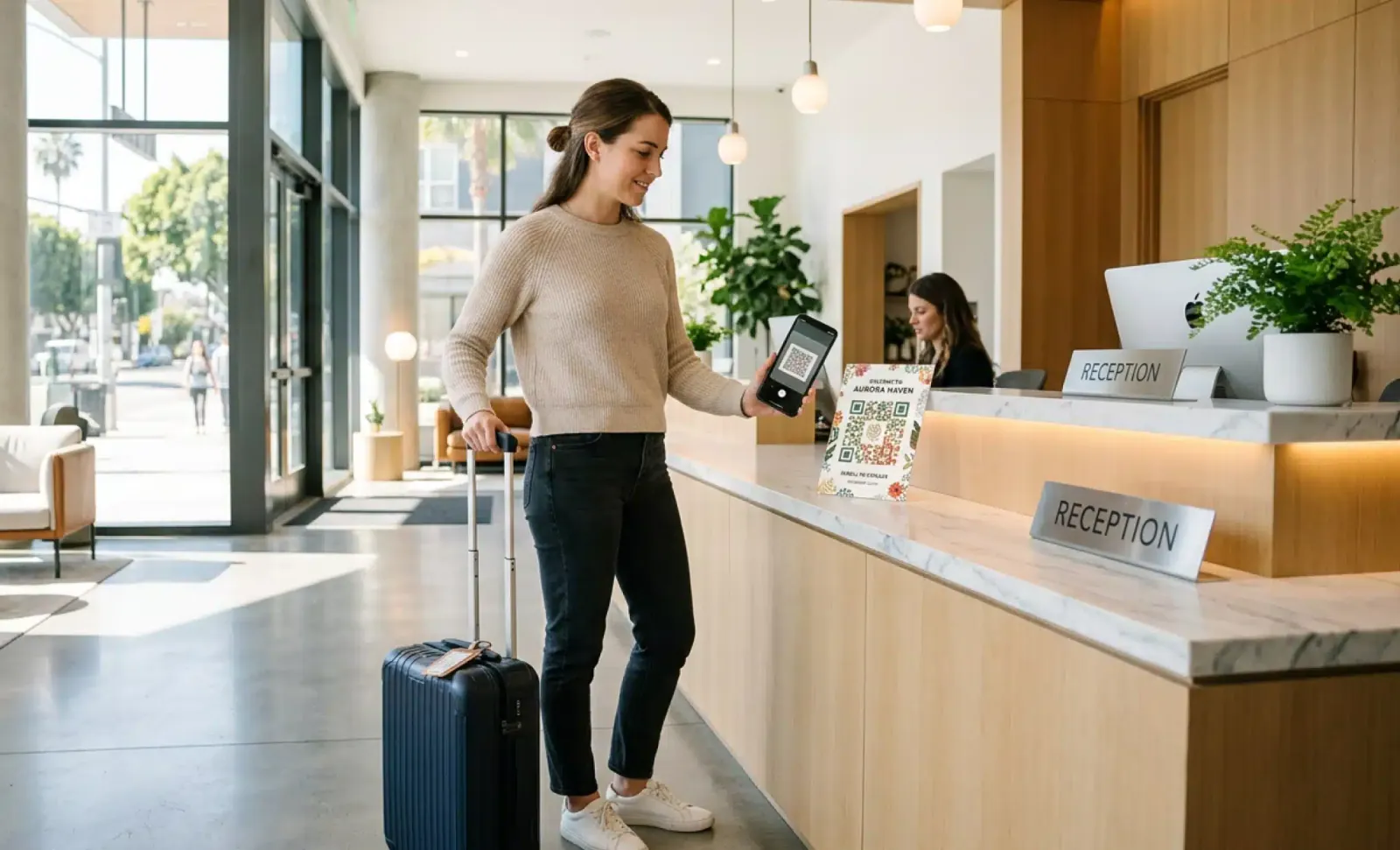
TL;DR: A QR code for guest welcome should answer the practical questions guests have in their first hours: how to reach the room, the Wi-Fi password, check-in and check-out times, breakfast details, parking, and after-hours access. Keep it to the next 24 hours, skip the marketing, and use a dynamic code so the content never goes stale. A conversational layer like Cleo can handle follow-up questions in the guest’s own language.
A QR code for guest welcome is one of the first things many guests interact with after they walk through the door, and it sets the tone for the entire stay. Arrival day is the most logistically intense moment of any visit. People show up tired, sometimes late, often hungry, and frequently navigating a language they did not grow up speaking. A welcome QR built well removes friction at the exact moment friction does the most damage to a first impression. This guide is a content checklist for that page, not a marketing pitch.
What is a QR code for guest welcome?
A QR code for guest welcome is a single scannable code given to guests on arrival, linking to a mobile-friendly page with the practical information they need during their first hours at the property. It replaces the printed welcome folder and the verbal front-desk briefing with one page guests can reach in seconds, on their own phone, with no app.
This is the core of a contactless arrival: the guest scans, the page loads, and the questions that usually pile up at the front desk are answered before anyone has to ask. A well-built guest welcome QR code does the work of a concierge in the first hour.
Why does arrival day deserve its own welcome QR?
Arrival day has a narrow set of urgent questions that differ from the rest of the stay. A general property QR tries to serve everyone at every moment, which buries the few things a tired guest needs right now. A dedicated welcome QR puts check-in, Wi-Fi, and breakfast at the top, where they belong on day one.
A good hotel welcome QR earns its place by being narrow. A guest who has just traveled for ten hours does not want a property tour or a brand story. They want into their room, online, and fed. Separating the welcome QR from the broader property QR keeps that first interaction focused on the guest arrival experience and nothing else.
What questions do guests actually have on arrival day?
Guest questions cluster around three time horizons, and a good welcome QR is organized around them. The first ten minutes are about access and orientation. The first few hours are about food and logistics. The first evening is about service and recommendations. Structuring the page this way matches how guests actually think.
In the first ten minutes, guests want to know how to get into the room, where the lift is, the Wi-Fi password, and what time breakfast starts tomorrow. In the first few hours, the questions shift to where they can eat now, what is open nearby, where to park, and whether room service is available. By the first evening, guests ask about restaurant recommendations, the spa schedule, how to request extra towels, and when reception is staffed.
What should every guest welcome QR include?
Every welcome QR should cover the information a guest needs in the next 24 hours, and nothing that belongs to a later stage of the stay. The list below works as a content brief for the welcome page itself, whether you run a hotel, a serviced apartment, or a vacation rental.
- Wi-Fi network name and password, shown in plain text and as a separate clickable network where the device supports it.
- Check-in and check-out times, stated clearly near the top.
- Breakfast time, location, and dress code if one applies.
- Room service hours and how to order.
- Front desk hours and an emergency contact number.
- A property map showing rooms, restaurants, spa, gym, and pool.
- How to access the property after reception hours.
- Local recommendations covering restaurants, pharmacies, transit, and taxi options.
- Emergency information including the nearest hospital, fire procedure, and emergency exits.
- Multilingual access through a conversational layer where available.
This is the difference between a digital welcome pack that earns its place and a brochure with a code attached.
What should you leave out of a welcome QR?
Leave out anything that does not serve the next 24 hours. The welcome QR is an arrival service, not a marketing channel, and the fastest way to ruin it is to bury the Wi-Fi password under brand storytelling. Keep the page focused on immediate needs and link out to everything else.
- Promotional content about other properties in the group.
- Long brand storytelling and company history.
- Marketing offers for future stays, which belong at check-out rather than arrival.
- Detailed tour booking pages. Link out to these rather than embedding them.
- PDF brochures of any kind.
How should welcome QR content be structured for mobile?
Welcome QR content should be built mobile-first, load fast, and work without an app. Guests scan with one hand, often standing in a lobby or a doorway, so the most-asked questions belong at the top and the whole page should be navigable with a single thumb. No PDF brochures, no pinch-to-zoom documents, no slow image galleries.
A simple, well-ordered page beats a beautiful one that loads slowly. Put Wi-Fi, check-in details, and breakfast first. Everything a guest might want later can follow further down the same page.
How do you handle multilingual guests?
International guests should not have to dig through a language menu. The page or the conversational layer should detect the device language and serve content accordingly. A conversational AI layer like Cleo goes one step further, continuing the conversation in whatever language the guest writes in, even when it differs from the device default.
This matters most for the follow-up questions no static page can anticipate. A guest can ask what time the spa closes or whether there is a pharmacy nearby, in their own language, and get an answer right away. A multilingual welcome QR turns a potential front-desk bottleneck into a self-service moment.
Put it into practice
Create a dynamic QR code free and see it work. No credit card required.
Get started freeWhy are dynamic QR codes the right choice for welcome content?
Welcome content changes constantly, so the code behind it has to be editable. Restaurant recommendations rotate, spa hours shift by season, and breakfast venues move. A dynamic QR code lets the property update the welcome page at any time without reprinting a single welcome card. The printed code stays the same while the information behind it stays current.
Every QR code from QRCodeKIT is dynamic, which is what makes this practical at scale. A static code would lock the welcome content to whatever was true on the day it was printed, and on arrival day that is exactly the wrong constraint. Hotel guest onboarding works best when the team can edit the page in minutes, not reprint it in weeks.
Where should you place the welcome QR?
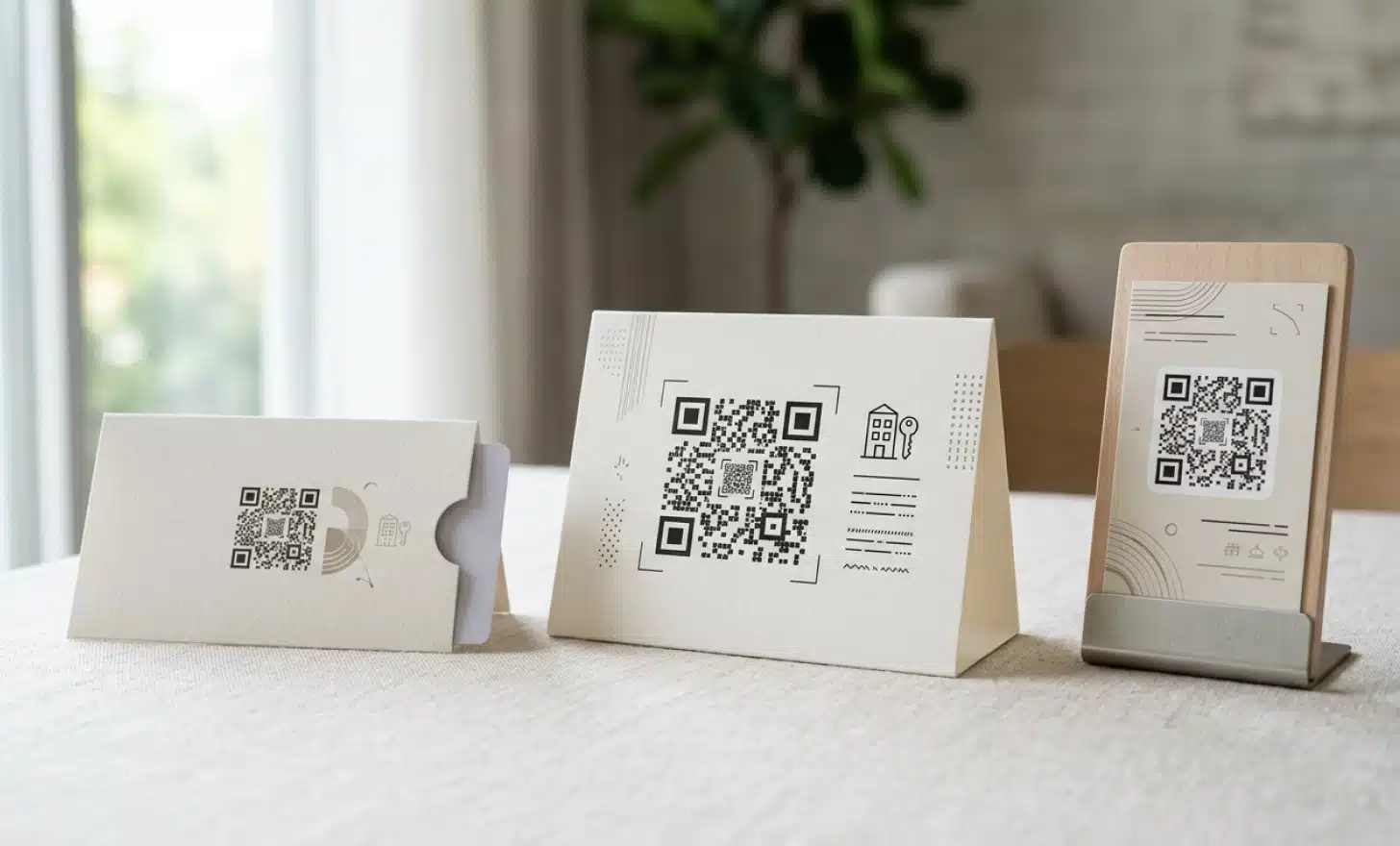
Place the welcome QR where a guest naturally looks in the first minutes. The room key envelope is the most reliable spot, since every guest receives one. An in-room welcome card on the desk or bedside works well, as does the back of the room key holder. A lobby display helps late arrivals who reach the property after reception has closed.
The goal is for the code to find the guest, not the other way around. If someone has to hunt for it, the welcome QR has already failed its one job.
How should the welcome QR be designed?
Keep the code at least two centimeters by two centimeters so it scans reliably from a card or a sign. Give it strong contrast against its background, and add clear text such as “scan for welcome info” beside it so guests understand what it does. Brand it with the property identity where that fits the setting.
Small design choices carry real weight here. A code that is too small, low in contrast, or unlabeled gets ignored, and the welcome content behind it never gets seen.
What mistakes do hospitality teams make with welcome QR codes?
The most common mistake is hiding a PDF brochure behind the code, which works poorly on mobile and frustrates guests immediately. Teams also bury the Wi-Fi password several screens deep in marketing content, use generic concierge text that does not reflect the actual property, and skip multilingual setup entirely.
Two more errors are worth naming. Using a static code locks the welcome content to one version, so it goes stale the moment anything changes. And treating the welcome QR as a marketing channel rather than an arrival service undermines the only job it has, which is to help a guest settle in.
How many pages should a welcome QR link to?
One. A welcome QR should link to a single, well-organized mobile page. Spreading content across several pages forces tired guests to navigate when they least want to. Keep everything on one scrollable page, with the most urgent items at the top and the rest in a logical order below.
Does a welcome QR work without an app?
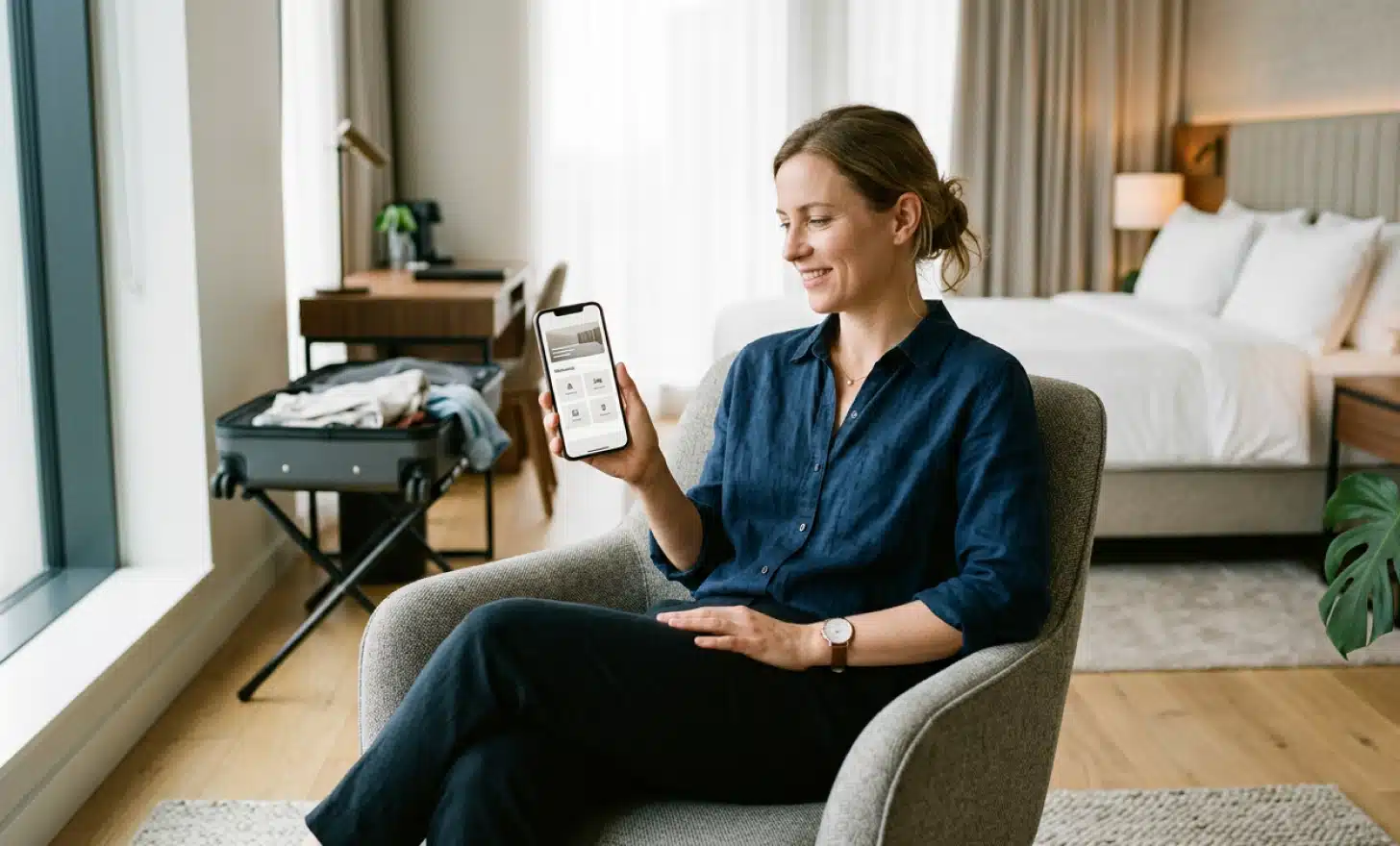
Yes. A welcome QR opens in the phone’s browser after scanning, with no download and no login required. This is essential for arrival day, when no guest wants to install software just to find the Wi-Fi password. Contactless arrival only works if the entire experience lives in the browser.
Should the Wi-Fi password go on the welcome QR?
Yes, and it should be one of the first things a guest sees. Wi-Fi is the single most requested piece of arrival information. Show the network name and password in plain text, and offer a clickable network connection where the device supports it, so guests can connect in one tap rather than typing a long string.
What is the difference between a welcome QR and a general property QR?
A welcome QR focuses only on the first 24 hours and the questions tied to arrival. A general property QR covers the whole stay and everything the property offers. Mixing the two buries urgent arrival information under content guests do not need yet, which is why a dedicated arrival day check-in page works better.
How often should welcome QR content be updated?
Update it whenever the underlying details change, such as new breakfast hours, seasonal spa schedules, rotating restaurant recommendations, or staffing changes. Because a dynamic QR code separates the printed code from its content, these updates take effect immediately, with no reprinting and no new welcome cards.
Can one welcome QR serve guests who speak different languages?
Yes. A welcome page can detect the device language, and a conversational layer like Cleo can answer questions in whatever language the guest uses. One code can serve a multilingual guest base without printing a separate version for each language, which keeps both the operation and the hotel arrival information consistent.
All images and visual content in this article were created using RealityMAX.
Related articles
FMD pharma serialization
Pharma spent billions on FMD pharma serialization, then used it only to verify packs. Here is the patient-facing brand value left unused on every box.
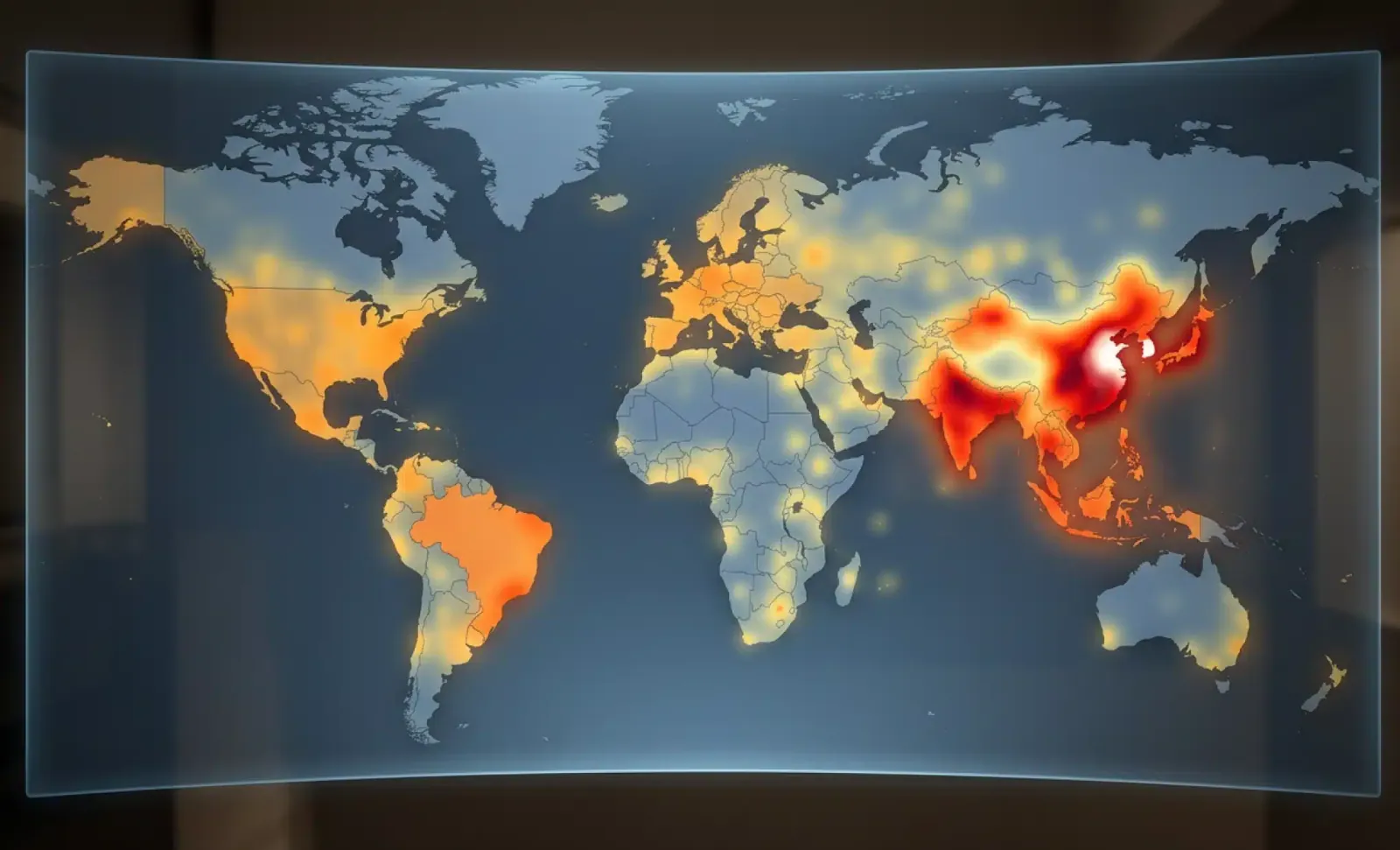
QR code geography heatmap
A QR code geography heatmap of scans by country in 2026: why Asia leads on payments, Europe on regulation, and what regional QR adoption means for strategy.

QR code for marina and yacht clubs
A QR code for marina and yacht clubs gives summer charter guests instant arrival steps, briefings, harbor maps, menus, and multilingual answers from their…
Two free dynamic QR codes. Yours forever.
No credit card. No expiry. The original dynamic QR platform since 2009.