University of Bologna brings cultural heritage to life with QRCodeKIT
Founded in 1088, the University of Bologna is widely recognized as the oldest university in the Western world. For nearly a millennium, it has played a central role in advancing knowledge, research, and education, influencing generations of scholars across countless disciplines.
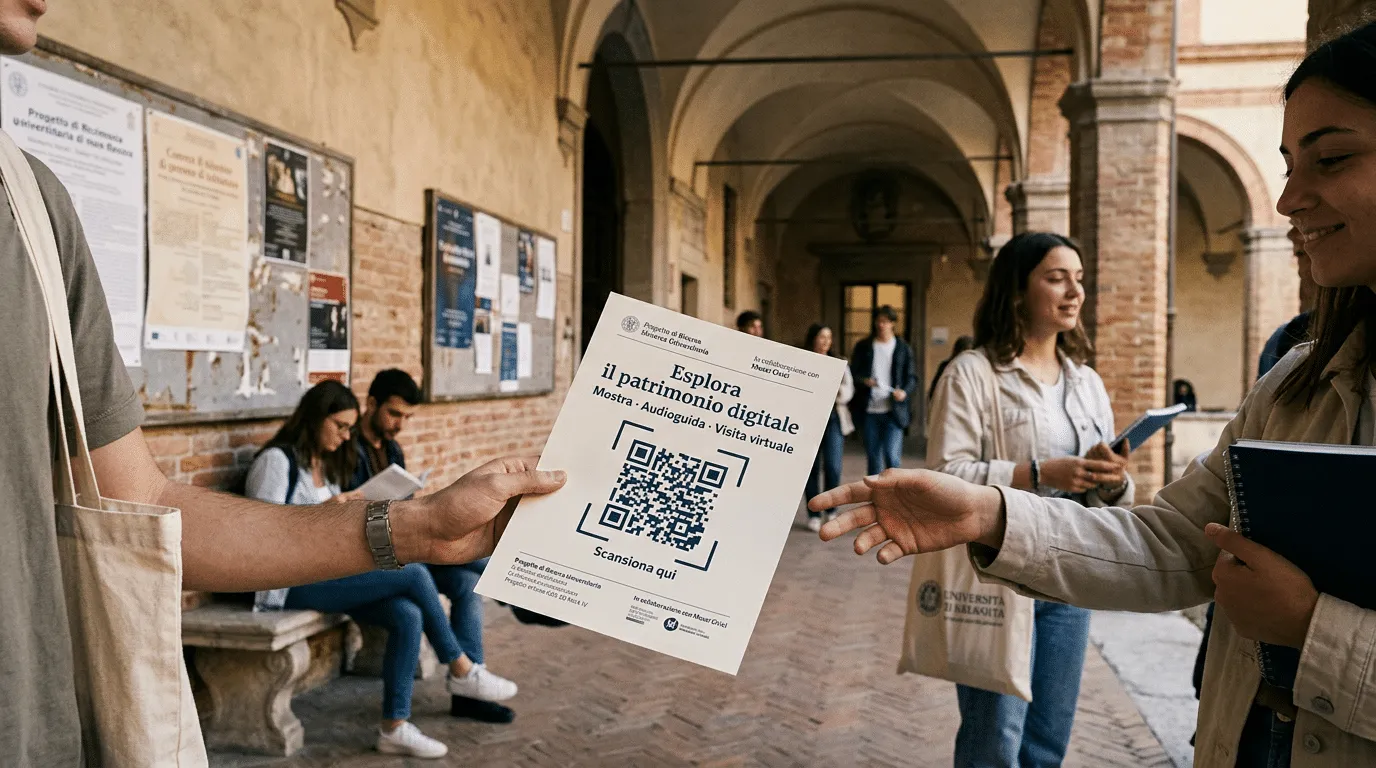
Within the university, FrameLAB specializes in museum communication, exhibition design, and cultural heritage interpretation. The laboratory works with museums, cultural institutions, and heritage organizations to create richer and more accessible visitor experiences. As museums and cultural sites face growing expectations from visitors who want deeper, more interactive experiences, FrameLAB has embraced digital tools that connect physical exhibits with a wealth of online content. One of the key technologies enabling this approach is QRCodeKIT. Today, dynamic QR codes developed through QRCodeKIT help museums, researchers, and students extend the storytelling potential of artworks, historical sites, and restoration projects far beyond the limitations of traditional exhibition spaces.
When a small plaque isn't enough
Museums face a constant challenge: how do you provide visitors with meaningful context without overwhelming exhibition spaces with lengthy text panels? FrameLAB encountered this challenge repeatedly while designing new exhibition itineraries for museums and cultural institutions. Visitors wanted more information, but physical displays offered limited space. At the same time, museums increasingly needed to accommodate different audiences, including visitors with accessibility requirements and those seeking more immersive digital experiences.
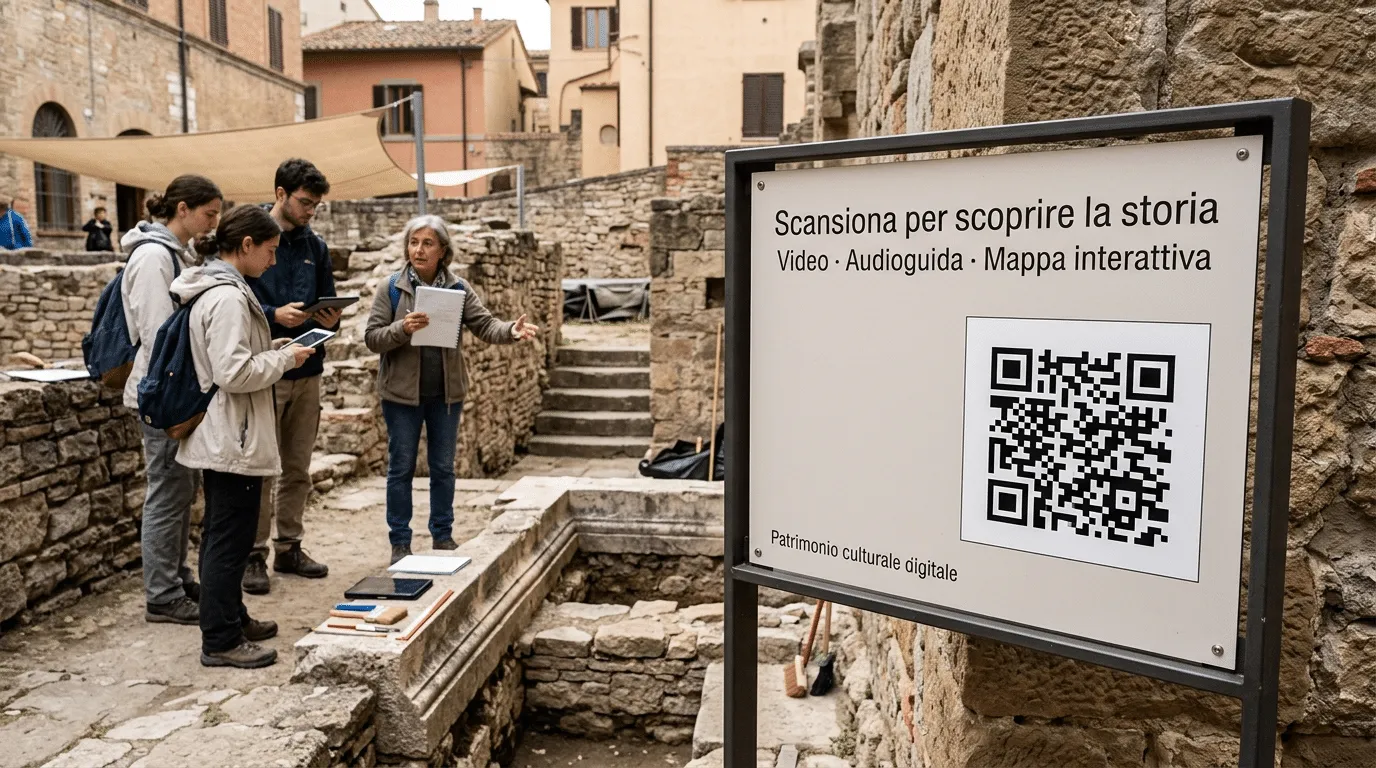
The challenge extended beyond museums. As part of its academic activities, FrameLAB also supports undergraduate and graduate research projects focused on restoration, conservation, and heritage enhancement. Many of these projects involve historical sites that are difficult to access, closed to the public, or located in areas where traditional visitor experiences are not possible. The team needed a flexible way to connect people with rich digital content while keeping the physical experience simple and unobtrusive.
Turning exhibits into digital gateways
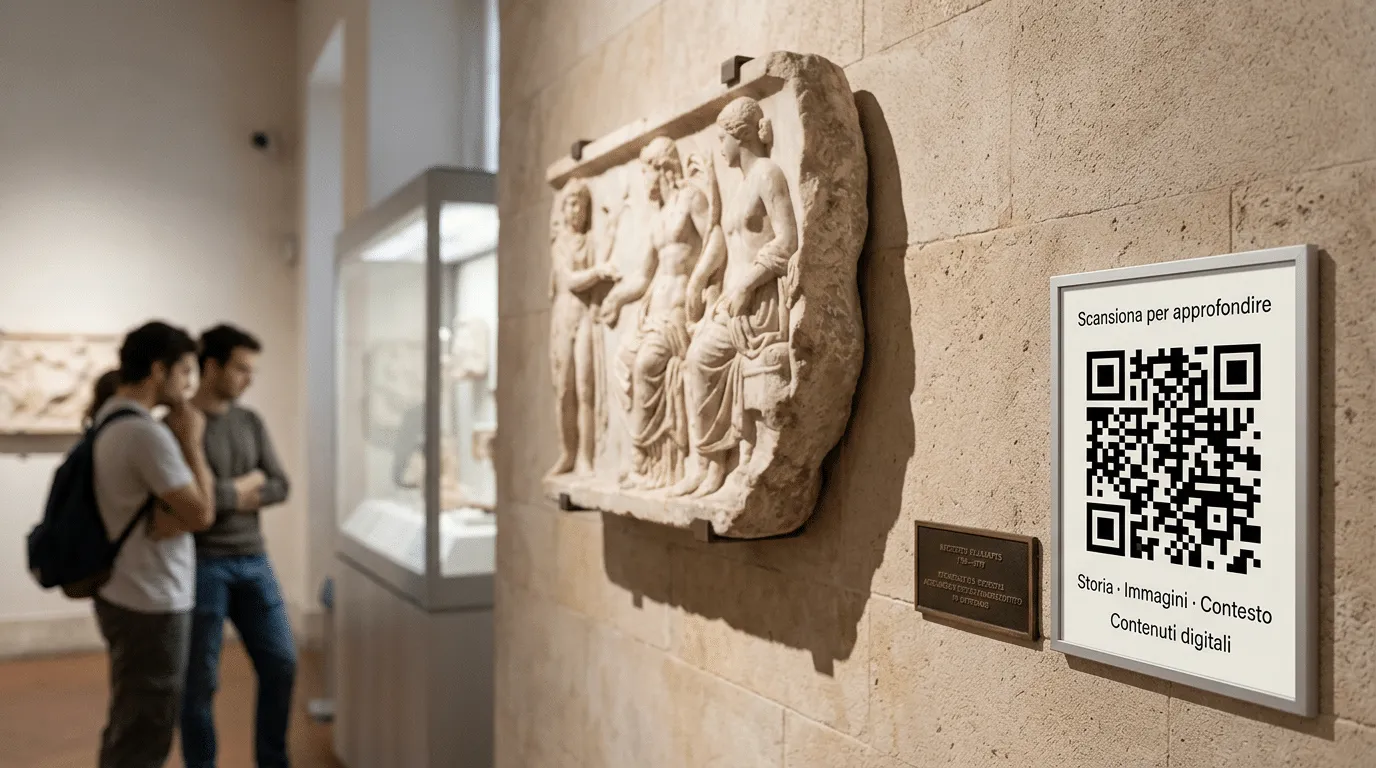
FrameLAB found its solution in QRCodeKIT's dynamic QR codes. Throughout the museums where the laboratory develops exhibition projects, QR codes are integrated into exhibit labels and interpretive materials. Visitors can scan a code next to an artwork and instantly access a wide range of complementary content designed to enrich their understanding of what they are viewing. Depending on the exhibition, a single QR code may provide access to detailed historical information, high-resolution image galleries, 3D model repositories, audio guides, videos, educational resources, or specialized interpretive materials. The flexibility of dynamic QR codes allows FrameLAB to update content over time without replacing printed materials. As new resources become available, the visitor experience can continue evolving while the QR code itself remains unchanged. Accessibility has become another important area of innovation. Through QRCodeKIT, museums can provide audio descriptions for tactile artworks, sign-language video translations, and other resources that help make cultural experiences available to broader audiences. The technology also supports academic research projects. FrameLAB frequently uses QR codes as entry points to virtual tours created for restoration and heritage enhancement initiatives. These experiences allow students, researchers, and members of the public to explore historical sites that might otherwise remain inaccessible.
Creating richer experiences for visitors and researchers
The impact of QRCodeKIT can be seen in both museum environments and academic projects. For museum visitors, QR codes transform static exhibits into interactive experiences. Instead of being limited to a few lines of text, visitors can explore content at their own pace and according to their interests. Those seeking deeper knowledge can access extensive resources, while casual visitors can simply enjoy the exhibition without distraction. For museums, dynamic QR codes offer a practical and sustainable communication tool. Content can be updated without redesigning exhibits or reprinting materials, helping institutions keep information current while reducing operational effort. For researchers and students, QR codes have become powerful tools for communicating projects that might otherwise remain hidden from public view. Restoration initiatives, conservation work, and heritage enhancement projects can now be documented and shared through immersive virtual experiences that reach audiences far beyond the university. Most importantly, the technology helps bridge the gap between physical heritage and digital interpretation. By connecting artworks, historical sites, and research projects to richer layers of information, FrameLAB is helping cultural institutions create experiences that are more engaging, inclusive, and educational.
Preserving the past while embracing the future
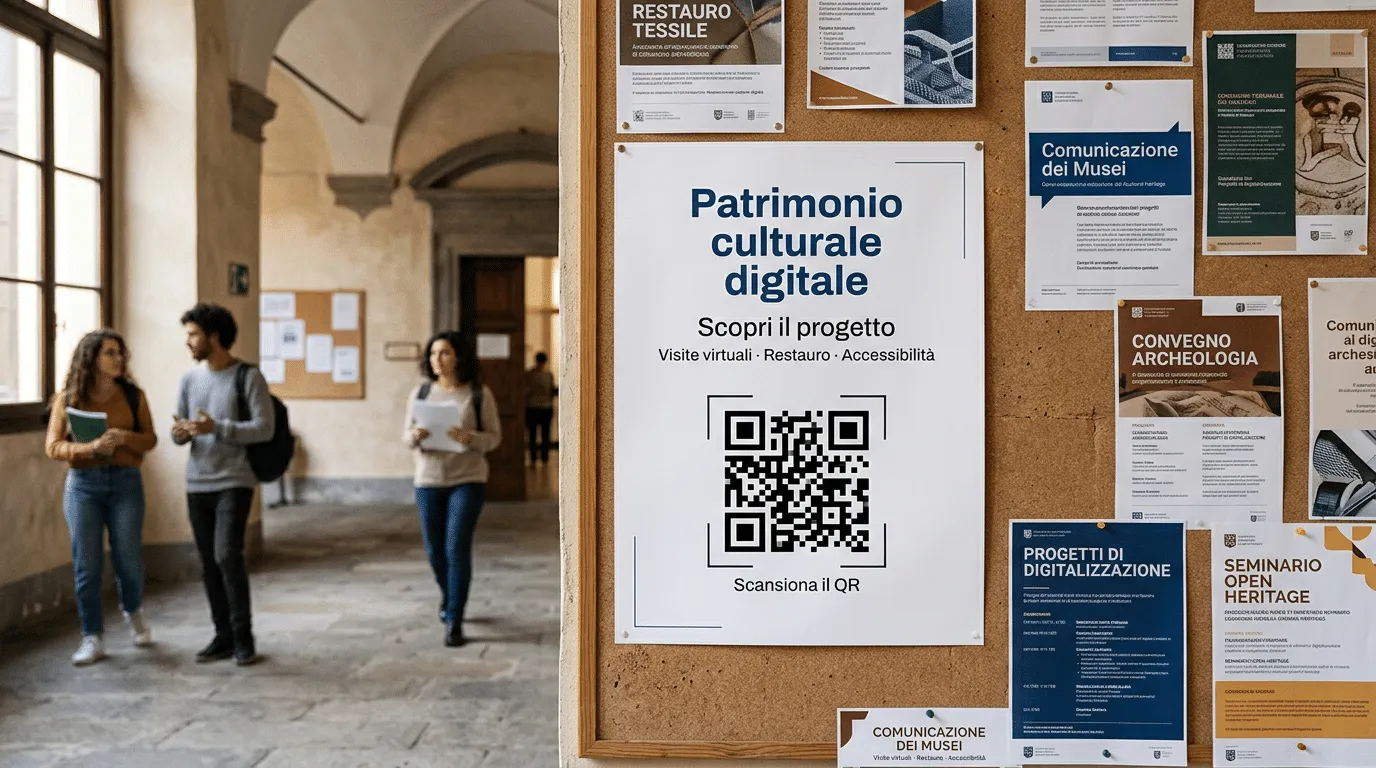
The University of Bologna's work through FrameLAB demonstrates that QR codes can be much more than simple links. When used thoughtfully, they become bridges between physical objects and digital knowledge, helping institutions tell deeper stories and reach wider audiences. From museum galleries and heritage sites to restoration projects and virtual tours, QRCodeKIT enables FrameLAB to create experiences that make culture more accessible, more interactive, and more meaningful. As museums and cultural institutions continue exploring new ways to engage visitors, the combination of physical exhibits and dynamic digital content is becoming an increasingly important part of the visitor experience. Through QRCodeKIT, the University of Bologna is showing how technology can support that evolution while keeping the focus exactly where it belongs : on learning, discovery, and cultural heritage.
Two free dynamic QR codes. Yours forever.
No credit card. No expiry. The original dynamic QR platform since 2009.