November 24, 2026
Anyone can build an app now. Running it safely still takes experience
Tools such as Lovable, Base44 and Replit turn a description into a working app in an afternoon. Two studies this year looked at what happened next, and found thousands of those apps serving data, customers’ email addresses included, to anyone who opened them. The tools aren’t the problem. Building has become the easy part. Keeping a service secure, reliable and lawful for years is still a job.
1. What the two studies found
Crissy Field, a security firm in Hamburg, ran its analysis with Handelsblatt, which published the findings on 2 November. Using the Common Crawl web archive, the researchers found 159,041 projects built with Lovable between December 2025 and September 2026. Of those, 34,545 used Supabase as their database, and 24,664 sent database records to the browser as soon as the page loaded, with no login. That alone can be fine, since some data is meant to be public. But further read-only requests found records with email addresses in 10,560 tables on 7,403 of those sites.
The examples make it concrete: more than 80,000 profiles and 200,000 chat messages from a lifestyle forum, ticket and food orders with phone numbers and postal addresses from event organisers and restaurants, and more than 1,000 records with passport numbers at a service provider. The researchers are careful with their numbers. The 30% is not a confirmed leak rate, some addresses may be public contacts or test data, the sample doesn’t represent every Lovable app, and they couldn’t establish whether any of the data had been misused.
In May, the security company RedAccess said it had found about 380,000 publicly accessible apps and other assets built with Lovable, Base44, Netlify and Replit, about 5,000 of them holding sensitive corporate information. The figures come from its CEO, Dor Zvi, in interviews reported by Security Boulevard, not from a published method. Axios checked a sample, which included a shipping company’s vessel movements, internal financial information from a bank in Brazil and summaries of doctor-patient conversations at a hospital. The platforms pushed back: Replit’s CEO called public apps being reachable “expected behavior”, and Base44 and Lovable said the reports didn’t include the URLs they needed to check.
2. Why it keeps happening
Neither study describes a flaw in the code the AI wrote. They describe defaults that nobody changed. RedAccess’s CEO said some tools make a new app public until its owner switches it to private, and that many of the apps it found had been indexed by Google. On the Lovable sites, the researchers made their read-only requests with the same key the page already used to load its data.
Nothing in that breaks. The app works, the demo works and the sign-ups arrive. Who else can read them is a question the app never asks, and someone building their first tool on a Sunday afternoon may not know to ask it either.
Put it into practice
Change where your code leads whenever you like, without reprinting it.
Start free trialPro free for 7 days. No credit card required.
3. Building is the easy part
We have run the platform behind QRCodeKIT since 2009, and the first version of anything was never the hard part. What takes years is everything a service needs once people depend on it:
- Access rules that say who can read and change each record, tested from a second account and from a browser that isn’t logged in.
- Keys and passwords kept on the server, never in the page.
- Backups that you restore on purpose, so you know they work before you need them.
- Logs, alerts and a person who gets the call when something goes wrong.
- Updates to every library the app depends on, for as long as it runs.
- A way to delete someone’s data when they ask, and a plan for telling people if it leaks.
- An owner for the app when the person who built it moves on.
None of that is new, and none of it is written by a prompt. In Europe, the GDPR puts the responsibility on whoever decides why and how personal data is processed, not on the tool that generated the code.
4. Where this meets your QR codes
A QR code campaign is often where a quickly built page meets real customers. The code on a poster or a pack opens a sign-up form, a prize draw or a warranty registration, and the page behind it collects names, email addresses and sometimes receipts. If that page was built in a weekend, the list above applies to it, and the brand on the poster is the one people will hold responsible. Before it goes live, ask:
- Who can read what it collects? Try it from a second account and from a private browser window.
- Where are the keys, and what can they open?
- When was a backup last restored?
- Who gets the alert at three in the morning, and who will still maintain it next year?
If the honest answer to any of them is nobody, get a review before real data goes in, as the Crissy Field researchers recommend, and again after every big change.
5. What we do on our side
For the codes and forms people create on QRCodeKIT, that work is ours. Responses collected through form QR codes are encrypted with AES-256 before they’re written to the database, and all data in transit uses TLS 1.2 or higher. Permissions are checked on every operation across four roles, every change is recorded in an audit trail, databases are backed up daily and we rehearse a full recovery every quarter. The platform is monitored around the clock and has been certified to ISO/IEC 27001. Our security page covers the rest, in the same words as our Data Processing Agreement.
Use the new tools. They’re good, they’re getting better, and they let more people build what they need. Just don’t mistake the day an app works for the day it’s ready for other people’s data. Building got easier. The responsibility didn’t move.
Sources (consulted 24 November 2026)
- Crissy Field, Lovable: Many Apps Built on the Platform Expose Sensitive Data, with Handelsblatt, reported on 2 November 2026.
- Jeffrey Burt, Thousands of Vibe-Coded Apps Exposing Corporate, Personal Data: RedAccess, Security Boulevard, 7 May 2026.
- Regulation (EU) 2016/679 (GDPR), articles 4(7) and 24, on EUR-Lex.
- QRCodeKIT, Security.
Related articles
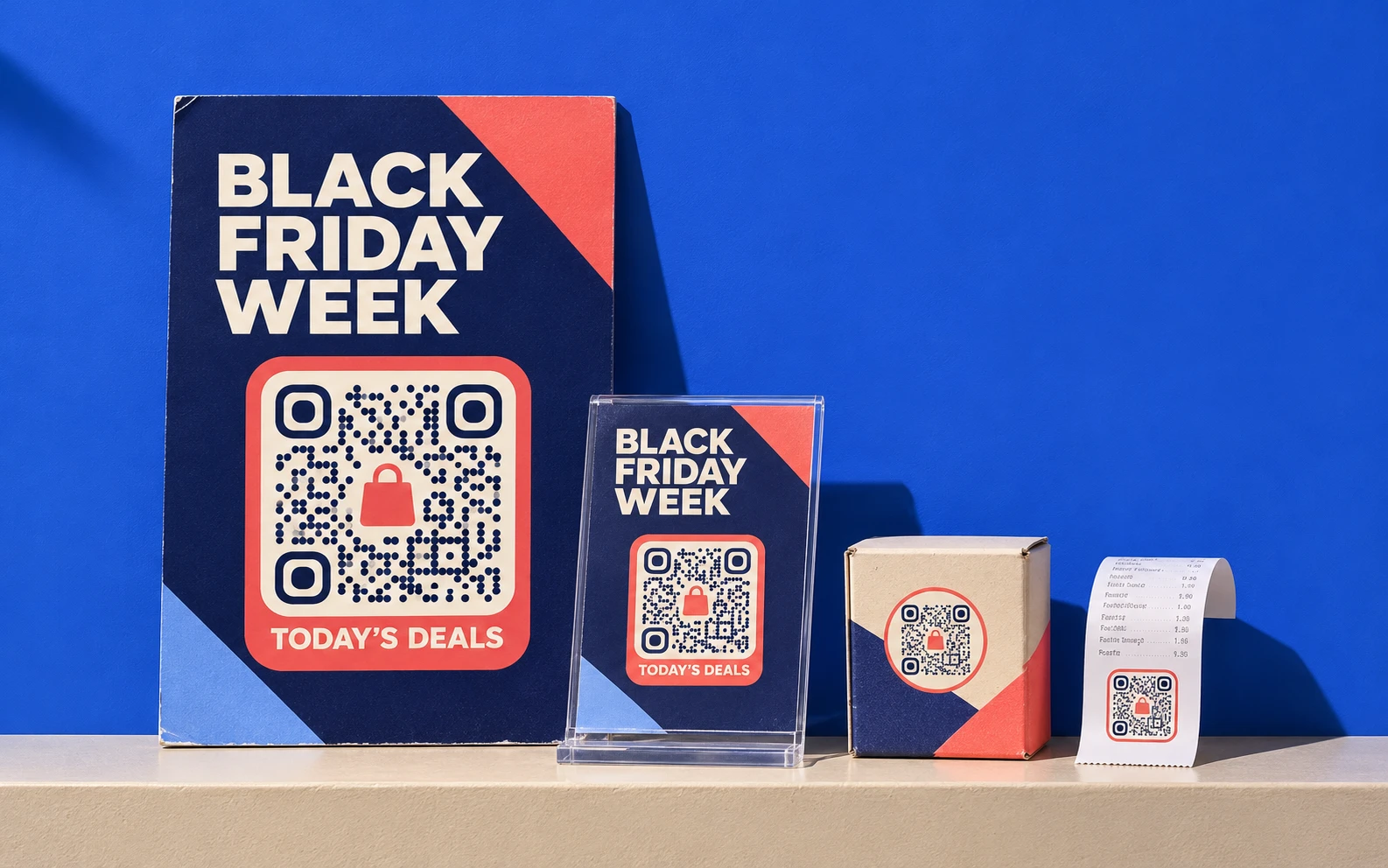
Black Friday week: change what a printed QR code opens, without reprinting
Black Friday is on 27 November and Cyber Monday on 30 November. How to plan what each printed QR code opens, day by day, and once the offers end.
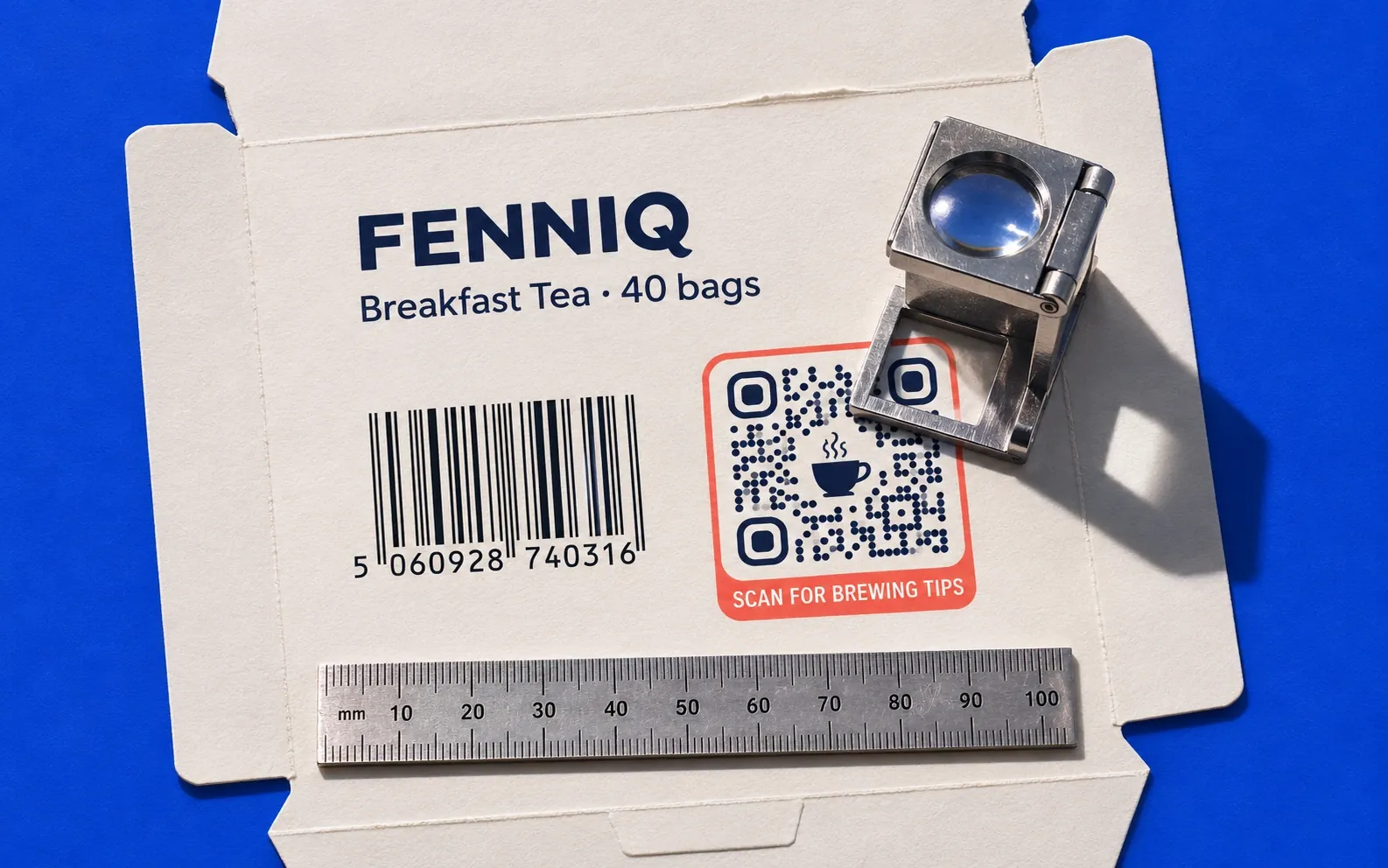
Five checks before you print a QR code on a million packs
Link length, module size, contrast, quiet zone and testing: five checks from the QR code standard and GS1’s rules before a code goes on a million packs.
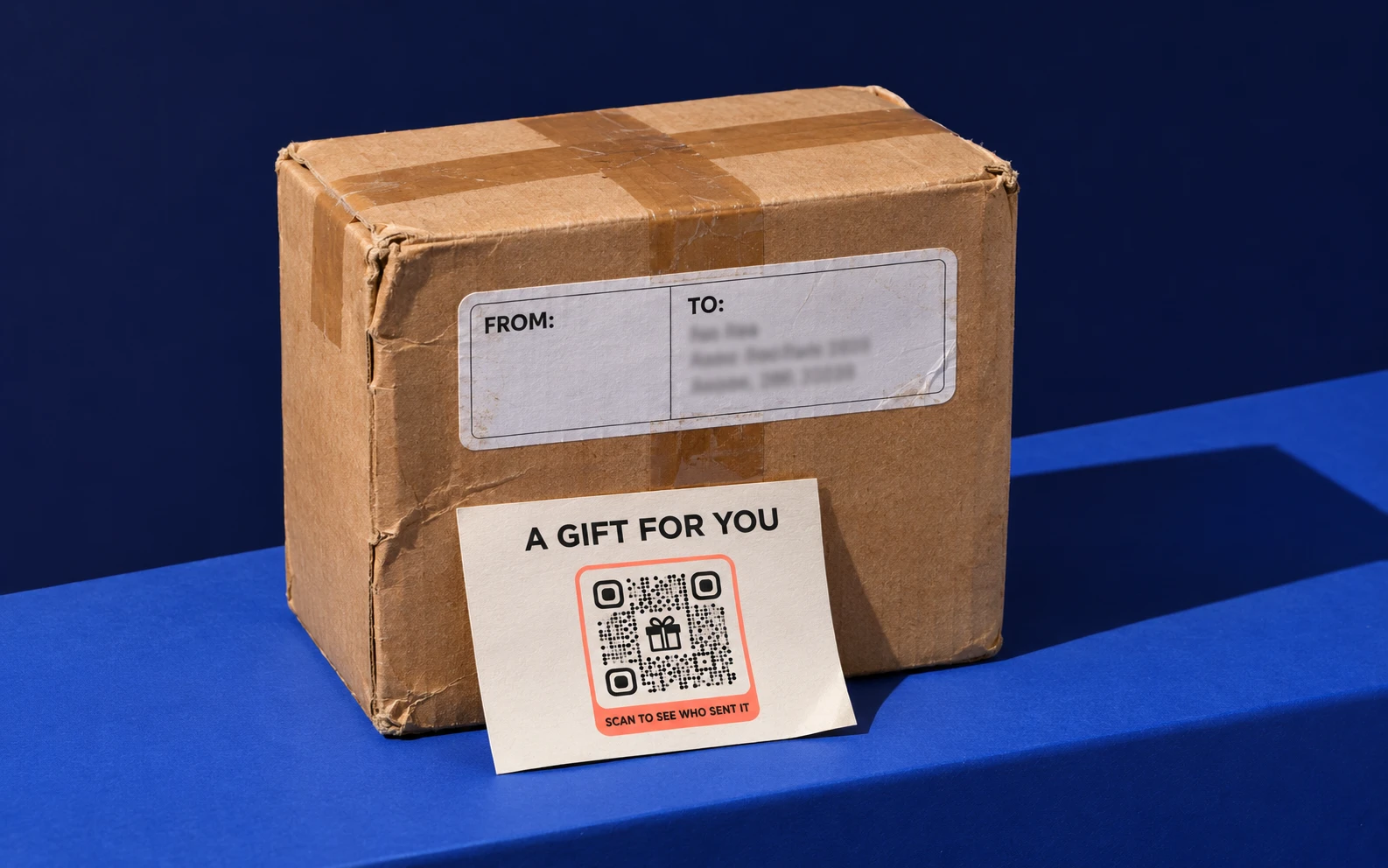
Fake QR codes on parcels and in PDFs: what the FBI, FTC and Microsoft warned, and what brands can do
The FBI, the FTC and Microsoft have warned about fake QR codes on parcels, parking meters and PDFs. What brands can do so their own codes stay trusted.
Try QRCodeKIT Pro free for 7 days.
No credit card required. The original dynamic QR code platform since 2009.
Black Friday50% off your first year on annual plans, until Monday 30 November.